Saturday, May 09, 2009

Smart Saving Tips

Save 10% every day!

It’s a basic idea. If you remember to reduce ten percent on the quantity of things you use everyday, you’ll find you are spending less every day. And this will show in your bills, your grocery bills, and overall in how much you spend every month.

The small quantities add up to save you money.

Imagine, 10% less oil while cooking (good for your heart, anyway), less soaps and detergents, less electricity (turn off the AC, switch off lights, switch on the water heater just for a few hours before shower time)

Simple actions like doing laundry at home when possible may save you money every week as opposed to taking all your clothes into a dry cleaner.

Make less trips using your car, by planning trips ahead of time – and you’ll see major savings at the petrol station. If you have two cars, and one is a big SUV and the other a small run around, use the smaller car that consumes less fuel when possible.

Saving as a habit

You need to make savings a regular habit. Instead of saving whatever is left over at the end of the month, plan on saving – which is paying yourself – first. Set aside the amount you plan to save first before you start spending on everything for the month. Plan on this with your family, and this can be an exciting way to get everyone involved, once you have explained the benefits of saving money.

Making a budget

In order for you to make a regular savings plan and make a habit out of it, it’s best to sit down and prepare a budget – so you know exactly how much you want to spend, on what, and how much you want to save. A pre-planned budget will help you in allocating your spending and controlling on sudden bursts of unintentional spending.

Have a Savings Goal and meet it

"Don't save what is left after spending; Spend what is left after saving" - Warren Buffet

The best way to figure out how much you want to save is to set specific monetary goals. If there is a specific thing that you are saving up for, start by calculating how much you will need to save in order to pay for it. Next, figure out how much money you will have to set aside each month in order to reach that goal in a reasonable amount of time. If you are saving for something with a less specific monetary value (such as money for an emergency fund, your retirement, or just a healthy nest egg), then you should try and come up with a figure to shoot for (i.e. Financial experts often recommend having enough money in an emergency fund to cover at least 3 to 6 months worth of household expenses).

Take advantage of the downturn?

Yes, you can. There are a lot of retail outlets and shops that have reacted to the downturn in the economy by offering special sales incentives. You can get discounts on many every day items and as well on some electronics and white goods (washer/dryers, fridges, ovens etc). If you have an immediate need for any of these items, this would be a good time to purchase them – while they are on discounted sale.

Simple economics: every day, every week, every month.

Eating out and treating yourself is fun, and once in a while, it’s a good idea. But a quick and easy way to curb your spending – and start saving – is eating out less. Try eating in more often and packing yourself a lunch for eating at work. Besides saving money, making your own food can often be healthier too. You can save a lot by eliminating that expensive coffee latte habit. You can save on unnecessary and unused magazine subscriptions, tv channels you pay for but don’t watch, phone related expenses. These are every day things you can either curb or totally cut down on. And yes, they add up to your savings.

Interesting Videos: Money Spent is Money Earned http://www.fakhriprofessionals.com/new/debate1/debate1.html

Labels:

Friday, November 07, 2008

A&E Biography Barack Obama

Labels:

Monday, August 25, 2008

Namaaz

Zindagi bewafa kyu hoti hai?
Wafa karnay ki saza kyu hoti hai?

Choti si baat pe baha deti hain KHOON
Insan mein itni ANA kyu hoti hai?

Karte hain hum jis se baar baar TAUBA,
Elahi hum se wohi KHATA kyu hoti hai,

Banate to hain hum apne hathon se MASJID,
NAMAZ apni hi phir QAZA kyu hoti hai..

Labels: ,

Saturday, May 10, 2008

40 Tips for a Better Life

1. Take a 10-30 minute walk every day. And while you walk, smile. It is the ultimate anti-depressant.

2. Sit in silence for at least 10 minutes each day.

3. Buy a DVR and tape your late night shows and get more sleep.

4. When you wake up in the morning complete the following statement, 'My purpose is to __________ today.'

5. Live with the 3 E's -- Energy, Enthusiasm, and Empathy.

6. Play more games and read more books than you did during the past year.

7. Make time to practice meditation, and prayer. They provide us with daily fuel for our busy lives.

8. Spend time with people over the age of 70 and under the age of 6.

9. Dream more while you are awake.

10. Eat more foods that grow on trees and plants and eat less food that is manufactured in plants.

11. Drink green tea and plenty of water. Eat blueberries, wild Alaskan salmon, broccoli, almonds & walnuts.

12. Try to make at least three people smile each day.

13. Clear clutter from your house, your car, your desk and let new and flowing energy into your life.

14. Don't waste your precious energy on gossip, OR issues of the past, negative thoughts or things you cannot control. Instead invest your energy in the positive present moment.

15. Realize that life is a school and you are here to learn. Problems are simply part of the curriculum that appear and fade away like algebra class but the lessons you learn will last a lifetime.

16. Eat breakfast like a king, lunch like a prince and dinner like a college kid with a maxed out charge card.

17. Smile and laugh more. It will keep the NEGATIVE BLUES away.

18. Life isn't fair, but it's still good.

19. Life is too short to waste time hating anyone.

20. Don't take yourself so seriously. No one else does.

21. You don't have to win every argument. Agree to disagree.

22. Make peace with your past so it won't spoil the present.

23. Don't compare your life to others'. You have no idea what their journey is all about.

24. No one is in charge of your happiness except you.

25. Frame every so-called disaster with these words: 'In five years, will this matter?'

26. Forgive everyone for everything.

27. What other people think of you is none of your business.

28. REMEMBER GOD heals everything.

29. However good or bad a situation is, it will change.

30. Your job won't take care of you when you are sick. Your friends will. Stay in touch.

31. Get rid of anything that isn't useful, beautiful or joyful.

32. Envy is a waste of time. You already have all you need.

33. The best is yet to come.

34. No matter how you feel, get up, dress up and show up.

35. Do the right thing!

36. Call your family often. (Or email them to death!!!)

37. Each night before you go to bed complete the following statements: I am thankful for __________. Today I accomplished _________.

38. Remember that you are too blessed to be stressed.

39. Enjoy the ride. Remember this is not Disney World and you certainly don't want a fast pass. You only have one ride through life so make the most of it and enjoy the ride.

40. Please Forward this to everyone you care about. I just did. May your troubles be less, May your blessings be more, May nothing but happiness come through your door!

Labels:

Friday, May 09, 2008

Why Learn Tae Kwon Do

For Self-defense: One never knows when he or she may be attacked. Since we normally do not carry side arms, a most effective way to defend ourselves and our loved ones is "empty hand fighting" and Tae Kwon Do reveals the ancient secrets. Knowledge of these secrets can be life savings in times of danger.

For Health: Tae Kwon Do is far more than just defensive methods. It is a superb means of mental and physical development. Tae Kwon Do practitioners are noted for their excellent health gained from the discipline and patience required by the art.

For Self Confidence and Poise: Tae Kwon Do first and foremost requires that all students be polite and respectful and never use their knowledge for frivolous purposes or wanton harm. Yet a true student is able to dispel fear.

What can be achieved through Tae Kwon Do training? The student of Tae Kwon Do develops an unbeatable self-defense through rigid training and professional supervised instruction. In addition Tae Kwon Do builds dynamic tension and makes balanced use of a large number of body muscles. It provides excellent all around exercise and develops coordination and agility. Tae Kwon Do trains students in character, sincerity, effort, etiquette and self-control.

Who may learn Tae Kwon Do? Classes are open to men, women and children as Tae Kwon Do is one of the only true family sports. All can learn and participate together. The degree of progress for any student is based on the individual coordination and attentiveness. Physical fitness is essential for a happy, productive life, and invariably, people who are capable of defending themselves are less troublesome and better citizens.

Taher Tambawala (email: tahertambawala(at)yahoo.com

Sports Martial Arts Teacher (MSB – Kolkata)

Labels: ,

Saturday, March 08, 2008

Winners Vs. Losers

The Winner is always part of the answer;
The Loser is always part of the problem.

The Winner always has a program;
The Loser always has an excuse.

The Winner says, "Let me do it for you";
The Loser says, "That is not my job."

The Winner sees an answer for every problem;
The Loser sees a problem for every answer.

The Winner says, "It may be difficult but it is possible";
The Loser says, "It may be possible but i t is too difficult."

When a Winner makes a mistake, he says, "I was wrong";
When a Loser makes a mistake, he says, "It wasn't my fault."

A Winner makes commitments;
A Loser makes promises.

Winners have dreams;
Losers have schemes.

Winners say, "I must do something";
Losers say, "Something must be done."

Winners are a part of the team;
Losers are apart from the team.

Winners see the gain;
Losers see the pain.

Winners see possibilities;
Losers see problems.

Winners believe in win-win;
Losers believe for them to win someone has to lose.

Winners see the potential;
Losers see the past.

Winners are like a thermostat;
Losers are like thermometers.

Winners choose what they say;
Losers say what they choose.

Winners use hard arguments but soft words;
Losers use soft arguments but hard words.

Winners stand firm on values but compromise on petty things;
Losers stand firm on petty things but compromise on values.

Winners follow the philosophy of empathy: "Don't do to others what you would not want them to do to you";
Losers follow the philosophy, "Do it to others before they do it to U"

Winners make it happen;
Losers let it happen.

Winners plan and prepare to win.
The key word is preparation

Labels:

Tuesday, October 23, 2007

Accupressure

Many of us have heard about acupressure and acupuncture and have seen the Chinese practice this very ancient art of healing. I have not read much and do not know much about acupressure or acupuncture and nor anything I write here is authentic.

Its just out of curiosity and the craving to learn something new led me into this topic and its been since many years that i have know it to be useful. As always google is your best friend to find the zillions of pages written on any topic since ages, though most might just be rubbish. Here is a good site that explains a lot on this subject: http://www.mothernature.com/library/bookshelf/books/46/3.cfm

Labels:

Thursday, October 18, 2007

Al-Dai al-Fatimi, Syedna Mohammed Burhanuddin donates to "Dubai Cares"

DUBAI — Sultan Al Bohra Mohammed Burhanudeen, spiritual leader of the Bohra Muslim community, has donated Dh2.1 million to Dubai Cares. The cheque was presented to Shaikh Ahmad bin Mohammed bin Rashid Al Maktoum by his Dubai representative Kinana M. Jamaluddin here yesterday.

Commenting on Dubai s tradition of philanthropy and its role in the current campaign, Jamaluddin said Dubai illustrates the true essence of Islam, underlining its teachings about helping those in need. “His Highness Shaikh Mohammed bin Rashid Al Maktoum, Vice-President and Prime Minister of the UAE and Ruler of Dubai, has made the Muslim and Arab nations proud through his initiative which demonstrates the values and principles of Islam and proves to the world the noble nature of our faith,” he said.

Labels: ,

Friday, July 06, 2007

Appearance Vs. Reality

To appear wise, one must talk;
To be wise, one must listen.

To appear to do good, one must be busy;
To do good, one must know when to stand aside.

To appear to lead, one must put oneself first;
To lead, one must put oneself last.

To appear caring, one must give advice;
To be caring, one must give space.

To appear to love, one must know how to give;
To love, one must know also how to receive.

To appear happy, one must smile;
To be happy, one must be free of fears.

Labels:

Monday, May 21, 2007

Selfless Care is Seldom Acknowledged

Sometimes you read something and it makes you stop and think.....and then you want to share it with everyone you care about

Labels:

Tuesday, May 15, 2007

The soul would have no rainbow, had the eyes no tears......

Grief is a natural and normal reaction to a loss of any kind. It s a journey of experiences and feelings in response to that loss, and an adjustment because of that loss . Grief is not a option but a necessity. It is a necessity not only because of the loss but because of the love that is the basis of the relationship /experiences before that loss.

You feel grief all over. It is physical, emotional, spiritual, psychological and social. It is a very personal journey or experience (there are roadmaps but no guidelines or specifics) and it demands a lot of hard work! The deeper the feelings toward the person or object lost the deeper the need to grieve. Grief hurts because of the love behind it.

Grief is a process or journey that is not completed. You do not "get over" grief. You do recover enough for some movement in life. It is an experience based on many things (your lifestyle, history, past experiences, faith, and family network), involves many feelings (like anger, love, bitterness, despair, doubt and guilt) and often can include depression, physical and behavioral changes and changes in interests and lifestyles.

Grief is a process or series of actions, reactions and the making of new pathways to travel. It affects our attitudes and feelings about ourselves, our situation, those around us and the one who is lost. The process of grieving is not a straight line but s series of steps forward, sideways, upside down and backward until something called recovery is reached . There is not timetable.

Be gentle with those who are in grief and with yourselves if you are a caregiver.

May Allah grant Maula TUS a long, healthy life ta qayamat. Ameen

Amte Syedna TUS
Alifyah Saifuddin

Posted on:
Dawoodi Bohra Net
http://www.mumineen.org

Labels:

Sunday, May 13, 2007

Sweet Dreams: 13 Tips for a Great Night Sleep

Seeking sound sleep ? Try these tips for good night sleep:

» Throw your TV set and the computer out of the bedroom.

» Take a cool shower before jumping into the bed.

» Wear loose cotton clothes (preferable white) - no denims or trousers please.

» Fix a sleeping schedule and stick to the routine honestly.

» Is the pillow good enough ? In a lot of cases, pillows and incomforable mattress may lead to sleep disorders.

» Reduce intake of spices, chocolates and caffeine, especially after lunchtime.

» The old granny's trick - take a glass of warm milk just before going to bed.

» If you are worried about something that preventing your from sleeping, try to think of ways to resolve it. Opening a discussion with the partner may help.

» Do some physical work or Yoga exercises some 3-4 hours before the sleeping time.

» There should be a healthy gap between your dinner and sleeping time.

» Sex with your partner before bedtime will also aid in getting a good sleep.

» If your mind is flooded with ideas and tasks for the next day, jot them down on a piece of paper so that you get relaxed.

» When nothing helps, tune in to some Worldspace Radio station for soft, slow, relaxing music like jazz, folk or orchestral pieces.

I hope these sleeping tricks will help you sleep, stay asleep, and wake up refreshed next day. Sweet Dreams.

Labels:

Saturday, May 12, 2007

Corporate Lessons

Lesson Number One

A crow was sitting on a tree, doing nothing all day. A small rabbit saw the crow, and asked him, "Can I also sit like you and do nothing all day long?"The crow answered: "Sure, why not." So, the rabbit sat on the ground below the crow, and rested. All of a sudden, a fox appeared, jumped on the rabbit and ate it.

Moral of the story is: To be sitting and doing nothing, you must be sitting very, very high up.

Lesson Number Two

A turkey was chatting with a bull. "I would love to be able to get to the top of that tree," sighed the turkey, "but I haven't got the energy."

"Well, why don't you nibble on some of my droppings?" replied the bull. "They're packed with nutrients." The turkey pecked at a lump of dung and found that it actually gave him enough strength to reach the first branch of the tree. The next day, after eating some more dung, he reached the second branch. Finally after a fortnight, there he was proudly perched at the top of the tree. Soon he was promptly spotted by a farmer, who shot the turkey out of the tree.

Moral of the story: Bullshit might get you to the top, but it won't keep you there.

Lesson Number Three

A little bird was flying south for the winter. It was so cold, the bird froze and fell to the ground in a large field. While it was lying there, a cow came by and dropped some dung on it. As the frozen bird lay there in the pile of cow dung, it began to realize how warm it was. The dung was actually thawing him out!

He lay there all warm and happy, and soon began to sing for joy. A passing cat heard the bird singing and came to investigate. Following the sound, the cat discovered the bird under the pile of cow dung, and promptly dug him out and ate him!

The morals of this story are 1) Not everyone who drops shit on you is your enemy. 2) Not everyone who gets you out of shit is your friend. 3) And when you're in deep shit, keep your mouth shut.

Lesson Number Four

A man is getting into the shower just as his wife is finishing up her shower, when the doorbell rings. The wife quickly wraps herself in a towel and runs downstairs. When she opens the door, there stands Bob, the next-door neighbor.

Before she says a word, Bob says, 'I'll give you $800 to drop that towel'. After thinking for a moment, the woman drops her towel and stands naked in front of Bob After a few seconds, Bob hands her $800 and leaves.

The woman wraps back up in the towel and goes back upstairs. When she gets to the bathroom, her husband asks, 'Who was that?' 'It was Bob the next door neighbor,' she replies. 'Great,' the husband says, 'did he say anything about the $800 he owes me?'

Moral of the story: If you share critical information pertaining to credit and risk with your shareholders in time, you may be in a position to prevent avoidable exposure.

Lesson Number Five

A priest offered a Nun a lift. She got in and crossed her legs, forcing her gown to reveal a leg. The priest nearly had an accident. After controlling the car, he stealthily slid his hand up her leg. The nun said, 'Father, remember Psalm 129?' The priest removed his hand. But, changing gears, he let his hand slide up her leg again.

The nun once again said, 'Father, remember Psalm 129?' The priest apologized, 'Sorry sister but the flesh is weak.'

Arriving at the convent, the nun sighed heavily and went on her way. On his arrival at the church, the priest rushed to look up Psalm 129, it said, 'Go forth and seek, further up, you will find glory.'

Moral of the story: If you are not well informed in your job, you might miss a great opportunity.

Labels:

Friday, May 04, 2007

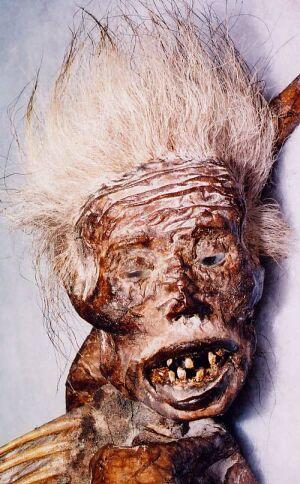
Mermaid


Some Interesting Pictures http://www.thefeejeemermaid.com

Labels:

Family

I ran into a stranger as he passed by,
"Oh excuse me please" was my reply.
He said, "Please excuse me, too;
I wasn't really watching for you."
We were very polite, this stranger and I.
We went on our way and we said good-bye.

But at home a different story is told,
How we treat our loved ones, young and old.
Later that day, cooking the evening meal,
My son stood beside me very still.
When I turned, I nearly knocked him down.
"Move out of the way," I said with a frown.
He walked away, his little heart broken.
I didn't realize how harshly I'd spoken.

While I lay awake that night in bed,
God's still small voice came to me and said,
"While dealing with a stranger, common courtesy you use,
But the children you love, you seem to abuse.
Go and look on the kitchen floor,
You'll find some flowers there by the door.
Those are the flowers he brought for you.
He picked them himself: pink, yellow and blue.
He stood very quietly not to spoil the surprise,
You never saw the tears that filled his little eyes."
By this time, I was feeling very small,
And then my tears began to fall.
I quietly went and knelt by his bed;
"Wake up, little one, wake up," I said.
"Are these the flowers you picked for me?"
He smiled, "I found 'em, out by the tree.
I picked 'em because they're pretty like you.
I knew you'd like 'em, especially the blue."
I said, "Son, I'm very sorry for the way I acted today;
I shouldn't have yelled at you that way."
He said, "Oh, Mom, that's okay.
I love you anyway."
I said, "Son, I love you too, and I do like the flowers,
sespecially the blue."

Are you aware that if we died tomorrow, the company that we are working for could easily replace us in a matter of days. But the family we left behind will feel the loss for the rest of their lives. And come to think of it, we pour ourselves more into work than into our own family ----
an unwise investment indeed, don't you think? So what is behind this story? Do you know what the word FAMILY means?
FAMILY=(F)ATHER (A)ND (M)OTHER, (I) (L)OVE (Y)OU!

Labels:

Saturday, March 03, 2007

Maturity

Maturity is the ability to control anger and settle the difference without violence or destruction. maturity is the patience, ability to complete a project in spite of opposition and setbacks. Maturity is the capacity to tale unpleasantness, frustration and discomfort without complaint. Maturity is humility, being big enough to say "I was wrong" and knowing when not to say "I told you so". Maturity is dependability keeping one's head high in times of crisis. Maturity is the art of living with oneself with what we cannot change and the courage to change that we which should be changed and the wisdom to know the difference.

Labels:

Sunday, August 06, 2006

How to Win Friends and Influence People

This is Dale Carnegie's summary of his book, from 1936

Table of Contents

1. Fundamental Techniques in Handling People
2. Six Ways to Make People Like You
3. How to Win People to Your Way of Thinking
4. Be a Leader: How to Change People Without Giving Offense or Arousing Resentment


Part One

Fundamental Techniques in Handling People

  1. Don't criticize, condemn or complain.
  2. Give honest and sincere appreciation.
  3. Arouse in the other person an eager want.

Part Two

Six ways to make people like you

  1. Become genuinely interested in other people.
  2. Smile.
  3. Remember that a person's name is to that person the sweetest and most important sound in any language.
  4. Be a good listener. Encourage others to talk about themselves.
  5. Talk in terms of the other person's interests.
  6. Make the other person feel important - and do it sincerely.

Part Three

Win people to your way of thinking

  1. The only way to get the best of an argument is to avoid it.
  2. Show respect for the other person's opinions. Never say, "You're wrong."
  3. If you are wrong, admit it quickly and emphatically.
  4. Begin in a friendly way.
  5. Get the other person saying "yes, yes" immediately.
  6. Let the other person do a great deal of the talking.
  7. Let the other person feel that the idea is his or hers.
  8. Try honestly to see things from the other person's point of view.
  9. Be sympathetic with the other person's ideas and desires.
  10. Appeal to the nobler motives.
  11. Dramatize your ideas.
  12. Throw down a challenge.

Part Four

Be a Leader: How to Change People Without Giving Offense or Arousing Resentment

A leader's job often includes changing your people's attitudes and behavior. Some suggestions to accomplish this:
  1. Begin with praise and honest appreciation.
  2. Call attention to people's mistakes indirectly.
  3. Talk about your own mistakes before criticizing the other person.
  4. Ask questions instead of giving direct orders.
  5. Let the other person save face.
  6. Praise the slightest improvement and praise every improvement. Be "hearty in your approbation and lavish in your praise."
  7. Give the other person a fine reputation to live up to.
  8. Use encouragement. Make the fault seem easy to correct.
  9. Make the other person happy about doing the thing you suggest.

Labels:

Keeping a Journal - One Of The Three Treasures To Leave Behind

If you're serious about becoming a wealthy, powerful, sophisticated, healthy, influential, cultured and unique individual - keep a journal. Don't trust your memory. When you listen to something valuable, write it down. When you come across something important, write it down.

Keeping a journal is so important. I call it one of the three treasures to leave behind for the next generation. In fact, future generations will find these three treasures far more valuable than your furniture.

The first treasure is your pictures. Take a lot of pictures. Don't be lazy in capturing the event. How long does it take to capture the event? A fraction of a second. How long does it take to miss the event? A fraction of a second. So don't miss the pictures. When you're gone, they'll keep the memories alive.

The second treasure is your library. This is the library that taught you, that instructed you, that helped you defend your ideals. It helped you develop a philosophy. It helped you become wealthy, powerful, healthy, sophisticated, and unique. It may have helped you conquer some disease. It may have helped you conquer poverty. It may have caused you to walk away from the ghetto. Your library, the books that instructed you, fed your mind and fed your soul, is one of the greatest gifts you can leave behind.

The third treasure is your journals: the ideas that you picked up, the information that you meticulously gathered. But of the three, journal writing is one of the greatest indications that you're a serious student. Taking pictures, that is pretty easy. Buying a book at a book store, that's pretty easy. It is a little more challenging to be a student of your own life, your own future, your own destiny. Take the time to keep notes and to keep a journal. You'll be so glad you did. What a treasure to leave behind when you go. What a treasure to enjoy today!

By Jim Rohn

Labels:

Thursday, January 19, 2006

How a boss thinks

Have you ever wondered the reason behind flared-up sessions of a staff meet when the boss makes a heated speech to encourage the whole staff? Well here is one:

Lou Holtz - "On this team, we're all united in a common goal: to keep my job."

Labels: ,

Friday, January 13, 2006

I had rather be first in a village than second at Rome.

Julius Caesar; such well said as he was fond of honor more then he feared his death. He was a mighty warrior and a well organized general. The historians rank him with Alexender the great. History will always remember such brave men and such men have strived for dignity. He was not ambitious as brutus told about him. He was a well talented man who deserved the position he hath held among the citizens of his nation. It was his government that made him an undisputed king, though un-crowned. Was he really ambitious. Even if he were did not he deserve it? And so do those who have such high potential.

Here is the what happened, as depicted by Shakesphere:

As Caesar lies in a pool of blood in the Roman Senate, Brutus tells a crowd of plebians what has just happened, and why Caesar's unrelenting ambition for power lead to his assassination. The crowd cheers Brutus on, wishing him to be the new Caesar. Brutus exits stage, and offsider Antony delivers this famous eulogy:

Friends, Romans, Countrymen, I come to bury Caesar, not to praise him.
The evil that men do live after them. The good is oft interred with the bones,
So let it be with Caesar. The noble Brutus,
Hath told you Caesar was ambitious...
Julius wasn't really such a bad..and so on, but from starting off endorsing Brutus's action, he reminds the crowd that bloke, that his death was regrettable, and after reading aloud Julius Caesar's will, that expressed how fond he really was of his citizens, the crowd instead becomes enraged at the conspirators. A riot ensues.

I love the words of Antony, so wonderful is his speech that leaves the beholders and the listeners speechless. I thought I should quote it here.

Mark Antony:
Friends, Romans, countrymen, lend me your ears;
I come to bury Caesar, not to praise him;
The evil that men do lives after them,
The good is oft interréd with their bones,
So let it be with Caesar…. The noble Brutus
Hath told you Caesar was ambitious:
If it were so, it was a grievous fault,
And grievously hath Caesar answered it….
Here, under leave of Brutus and the rest,
(For Brutus is an honourable man;
So are they all; all honourable men)
Come I to speak in Caesar's funeral….
He was my friend, faithful and just to me:
But Brutus says he was ambitious;
And Brutus is an honourable man….
He hath brought many captives home to Rome,
Whose ransoms did the general coffers fill:
Did this in Caesar seem ambitious?
When that the poor have cried, Caesar hath wept:
Ambition should be made of sterner stuff:
Yet Brutus says he was ambitious;
And Brutus is an honourable man.
You all did see that on the Lupercal
I thrice presented him a kingly crown,
Which he did thrice refuse: was this ambition?
Yet Brutus says he was ambitious;
And, sure, he is an honourable man.
I speak not to disprove what Brutus spoke,
But here I am to speak what I do know.
You all did love him once, not without cause:
What cause withholds you then to mourn for him?
O judgement! thou art fled to brutish beasts,
And men have lost their reason…. Bear with me;
My heart is in the coffin there with Caesar,
And I must pause till it come back to me.

Labels: ,

Wednesday, January 04, 2006

Reach Out For Your Dreams

Why are we afraid to chase our dreams... Why does one person find it difficult to set out and achieve that which they desire, while others can some how set out, without so much a care in the world. What makes some people achievers, while others remain simply dreamers.

Is it the difference in their internal makeup? Is it in the way they were raised? The environment they grew up in? When one studies the lives of "achievers" one thing becomes evident. What is it that tends to shine through in case after case?

In my opinion the most evident factor is that there simply isn't a set pattern. These "super achievers", if you will, come from all walks of life. These folks emerge from all social classes. Varying degrees of socioeconomic backgrounds. Some from affluent families, while others emerge from economically depressed areas, and all corners of the earth.

Some of these people are college educated, others are schooled through lessons that life has taught them; the school of hard knocks. Many from a combination of both. However, all understand that knowledge in any form is a constant thing to be acquired. Skills are constantly upgraded.

While each person has come face to face with giving up, they opted to befriended perseverance, and used it to their advantage. Somehow they've found a way to overcome the point at which one wants to give up, trudged ahead and reached a point of achievement.

Yet at this point most often they tend to move onto other areas of achievement. Not accepting the status quo. Choosing to move forward towards new goals, and things that stand in their path. Though they may come from vastly differing backgrounds, each has found within themselves their ability to turn dreams into reality.

When you read this it is my hope that you take from this the knowledge that you, are just as they are. You are in fact an achiever. Just like these people you will have adversity. You may have more then your fair share of shortcomings. You may experience what seems to be at the time an inordinate amount of failure in your life.

Even so, you are still an achiever. You have more greatness in you then you can ever know. I hope that you will choose to use the power of persistence to your benefit, as all those achievers before you have. In doing so I am certain you will accomplish much more than you can imagine you are capable of at this point in your life. Dare to dream, but even more importantly, dare to put action behinds your dreams...
Yours in success,

BEST REGARDS

ABDE SYEDNA TUS
MUFADDAL M. QASIM BHARMAL
KAMPALA - UGANDA
Malumaat @ Yahoogroups

Labels:

Monday, January 02, 2006

People who can't bare the sight of you land up doing their own laundry

There are people in this world who want to have all the skills of other people. We call such a person "Jack of all, king of none". These people often look at society with mis-trust and want to have all the skills just to isolate themselves. Instead of trying to cope-up with the temperments of other people and adjust in the society and taking advantage of the skill-sets other people they try to manage it all. The result is that they loose out. They cannot focus on their own skills and leave their jobs incomplete. Just for the sake of competing with others and feed their insecurities these people neglect the best people available for the job.

Leaders can't be from this category. Leaders are people who delegate their work. Delegation skills are the most important of all skills needed to be a leader or a head of the department. This skill requires you to tackle the most stubborn person for getting a job well-done. On the other hand if a leader tries to do everything by himself or tries to delegate the a job to a non-qualified person just to feed his insecurity, then it will end up in turmoil.

I was watching "Kittu Sab Janti Hai" a TV show on Sahara One which gives much insight in the above passage. The show is like this. The new boss Yuvraj seeks to be a perfectionist and for some reason tries to put down Kittu and hand over her work to someone else, the granddaughter of the defence minister. On the other hand he plays the same trick with Jogi a political reporter who has good reach and insider contacts that are badly needed for News channels. He replaces this guy for some personal reason maybe, with the son of the Finance Minister. Yuvraj thinks that his channel is in no need of such people as Yogi and Kittu and that the channel is not dependent on their skills.

I am not sure what the turn-out of the show would be but this attitude has already landed Yuvraj into trouble and embarrasment once and I am sure this is what happens in real life as well.

Imam Ahmd al-Mastur (AS) has said in epistoles of the brethren of purity - Ikhwanus Safa that we should "Seek the help and aid in every work or skill from the concerned people".

Labels: , ,

Monday, December 26, 2005

Quote of the night - Politics

Man is by nature a political animal.

I write as I ponder. So well said by the master of the mightiest emperor and conqueror of the world, Aristotle. Alexender, the great was nurtured by the wonderful wisdom of Aristotle and learnt the lessons of life from him. He was the youngest and mightiest emperor of the world. From Macedonia and Rome to India and China, he led an army of th victorious and the bravest of all soldiers. Surely such a success must have required politics to flow in his blood and nerves.

What Aristotle said still holds true. Syedna al-Qadi Noman has written an entire chapter in Kitaab al-Himmah on how one should manage and control those who are under him. A man is the master of his family and will be questioned of how he educated and brought up his children and family. He will be questioned about how he governed their livelihood. Similarly every person is a governor in himself and will be questioned about his governance of his resources and his very own life. The responsibility increases as the status and the position of a person rises to kinghood or whatever level by which he has a say in other people's lives. He needs to be political at birth. Infact his being 'political' makes him a 'social animal' a term used commanly today in civics.

Labels: ,

Tuesday, December 13, 2005

الزعيم غارم

Leadership is the nickname of responsibility. Those who accept leadership bare the burden of the errors and faults of the human race. Infact it is their destiny.

Laurence J. Peter has once said: "Democracy is a process by which people are free to choose the man who will get the blame."

Labels: ,

Saturday, October 08, 2005

Does your boss feed you?

Happens to us all the time. Everybody who is employed by another human being often sees to his boss as the provider of livlihood. Imam Ali Zainul Abideen (AS) in his dua for seeking rizq has stated that we often seek rizq from those who are themselves marzooq, in other words fed by Allah. This is very true for those who are business owners as well who rely on the customers for their bread rather then having faith on Allah.

I I do not want to divert my dialogue to the business category for which I might write someday but I do want to clear what I think about employment and the employer. For me my employer or lets say my boss is merely a medium of my income and not the source. At times the employer feels that he is doing great favours on the employee by underminig his mistakes and so does the employee as he feels that if the boss would have fired him he would have been begging for bread.

I feel this attitude is the point where productivity of the employee decreases at a corporate level and increases to the personal boss (employer) level. Keep him happy.

What would you say if your boss over-looked your mistakes just for the sake of keeping your bread rolling in or just to think within himself that he was doing a favour on you. Let me be more precise, you had a fight with your boss and he took the matters to a higher authority and turned down their offer to take action against you just to later tell your collegues that he had a chance of taking action but he didn't. I would leave the decision on you but what I think is that your boss thinks he is the provider of rizq to you.

My reasoning might not be correct but I have a few points to share,
1. If he were so rationale he would not have complained to your superiors at all. Which landing your career in a jeopardy and your past efforts baseless.
2. He let go the opportunity to fire you for being a nice boy to his superiors.
3. If he were so nice he would not have spoken of his generosity to your collegues which did make him a hero.
4. His attitude of doing a favour on you is the most important factor to prove that there is no favour at all but to feed the self ego.

I might be a pessimist and therefore evalution of the situation are welcomed. The only base of my argument is that no human feeds another. It is Allah who graces people by his blessings and bounties. I would never be tied to the favours of my boss if he thought he was doing a favour on me. This is but a thought that my rationality teaches me though I also do fear loosing my job all the time. The insecurity in the lives of salaried people is often the reason why they lack behind in religion. Religion teaches that the provider of all life and its support is none but the lord.

May Allah bless Aqamoula (TUS) a long life. Ameen

Labels:

Tuesday, September 27, 2005

If you are a parent

Put aside all your work and spend just few minutes...It will be an investment for your child's future....
By Azim H. Premji, Chairman Wipro Ltd.

If you are a parent, you have many aspirations for your child that may include him or her becoming a doctor, an engineer, scientist or another kind of successful professional. I believe these aspirations are driven by your thinking about your child's future, and her centrality in your life.

Since good education is often the passport to a good future, I presume it leads you to getting your child admitted to a good school. Then you encourage your child to study hard and do well in school exams. To bolster this, you send him or her for tuition classes. This would have primed your child for board exams and entrance exams, thereby leading to admission into a good professional course. Doing well at college increases the probability of landing a good job. And a good job means the child's future is ensured.

I am neither a psychologist nor an educationist, and what I will now state may seem counter-intuitive. I think that these aspirations and actions might be doing more harm than good to your child. To understand why, we need to re-examine some of our fundamental assumptions.

In the first place, I have seen time and again that living for some distant future goal also means you do not live in the present. The distant goal will always translate into an external measure of success, such as exams. And most exam-focused children start forgetting what it means to be a child - to be curious, mischievous, exploring, falling gettin g up, relating, discovering, inventing, doing, playing.

Childhood is very precious; precious enough not be wasted by the artificial pressures of contrived competition, by too many hours of bookish study, and by school report cards that simplistically wrap up an entire human being in numbers.

The second assumption is that education is merely a ticket to socio-economic success. Given the state of our country, this reality cannot be ignored. But restricting education to only this aspect is , I think, a very limiting notion of the aim of good education. The primary purpose of a school is to guide the child in her discovery of herself and her world, and to identify and nurture the child's talents Just as every seed contains the future tree; each child is born with infinite potential. Imagine a school which sees children as seeds to be nurtured - here the teacher is a gardener who helps to bring out the potential already present in the child.

This is very different from the current view which sees the child as clay to be moulded - where the teacher and parents are potters deciding what shape the clay should take. There is an old (and forgotten) Chinese saying " Give a seed to a potter, and you will get a bonsai".

Even in a commercial organization, to make profits we do not have to chase profits. Rather, we need to build an institution that gives every employee an opportunity to do meaningful and fulfilling work.

Create an organization driven by values of innovation, integrity, customer centricity and care. And as you practice these values everyday and moment, you will see that the profits take care of themselves.

Similarly, dear parent, this is my request to you. Do not give up your child's present to secure his or her future. Give your child the freedom to truly explore life with abandon. In doing this, you will see your child flower into a creative and sensitive human being. And when this happens, everything else - money, social success, security - will fall into place automatically.

Labels:

Monday, September 05, 2005

Don't say "YES"when you want to say "NO".

Tell me if this sounds familiar -- someone asks you to do something that you really don't want to do or you honestly don't have time for. It might be a request or an unreasonable request from a friend, a neighbour, a close relative, a familty member, your office colleague or your boss for just working late. But you feel like you will let the other person down if you say no. You feel GUILTY already, and you haven't even responded yet! So you say, "Sure," even though doing so is going to put you under tremendous stress and PRESSURE. You know that you will probably end up resenting this activity, and maybe even ducking some of your responsibilities because your heart's just not in it, but you go ahead and agree anyway.

Why are we so afraid to tell people "NO"? For some reason, we have been taught that "no" is DISRESPECTFUL -- and even insulting. We seem to value other people's time more than our own -- feeling that we need to bend over backward to accommodate others, even if it inconveniences us. I know we're atoning for the "me" 1980's, but let's be reasonable! "No" is actually one of the healthiest words that can come out of your mouth. When you tell someone "no," you are really saying that you understand and accept your own LIMITS, and don't want to do a shoddy job by overwhelming yourself. That you value your time and priorities and aren't willing to take away from the truly important things in your life. A little selfishness is necessary, if you want to maintain a balanced and sane life!

So how do you say "NO" without insulting the other person, feeling consumed with guilt, or hurting your own credibility? We need to find a way to say "no" without dragging up all of those HIDDEN FEARS -- they'll think I'm lazy or selfish, that I have no career drive, that I'm not ambitious, that I have no concern for other people. And it's time to give up all of those roles you're so proud of -- supermom, martyr, hero -- but are keeping you from finding true peace. Once you've accepted that you have the right (and often responsibility) to turn someone down, you can do it in a way that doesn't seem like a REJECTION. Let me show you how:

Here are 20 ways to say "NO" without hurting others

"I CAN'T RIGHT NOW, BUT I CAN DO IT LATER"
"I'M REALLY NOT THE MOST QUALIFIED PERSON FOR THE JOB"
"I JUST DON'T HAVE ANY ROOM IN MY CALENDAR RIGHT NOW"
"I CAN'T, BUT LET ME GIVE YOU THE NAME OF SOMEONE WHO CAN"
"I HAVE ANOTHER COMMITMENT"
"I'M IN THE MIDDLE OF SEVERAL PROJECTS AND CAN'T SPARE THE TIME"
"I'VE HAD A FEW THINGS COME UP AND I NEED TO DEAL WITH THOSE FIRST"
"I WOULD RATHER DECLINE THAN END UP DOING A MEDIOCRE JOB"
"I'M REALLY FOCUSING MORE ON MY PERSONAL AND FAMILY LIFE RIGHT NOW"
"I'M REALLY FOCUSING MORE ON MY CAREER RIGHT NOW"
"I REALLY DON'T ENJOY THAT KIND OF WORK"
"I CAN'T, BUT I'M HAPPY TO HELP OUT WITH ANOTHER TASK"
"I'VE LEARNED IN THE PAST THAT THIS REALLY ISN'T MY STRONG SUIT"
"I'M SURE YOU WILL DO A WONDERFUL JOB ON YOUR OWN"
"I DON'T HAVE ANY EXPERIENCE WITH THAT, SO I CAN'T HELP YOU"
"I'M NOT COMFORTABLE WITH THAT"
"I HATE TO SPLIT MY ATTENTION AMONG TOO MANY PROJECTS"
"I'M COMMITTED TO LEAVING SOME TIME FOR MYSELF IN MY SCHEDULE"
"I'M NOT TAKING ON ANY NEW PROJECTS RIGHT NOW"
or a simple, straight, direct "NO"

Contact for In-House Training on Assertiviness Skills.

With Kind Regards
Shabbar Suterwala
Corporate Trainer & Psychological Counsellor
Ph: +91 989 222 5864
ShabbarSuterwala @ Hotmail.Com

Labels:

Saturday, August 06, 2005

You better change yourself.

Don't Change the World
 
Once upon a time, there was a king who ruled a prosperous country. One day, he went for a trip to some distant areas of his country. When he was back to his palace, he complained that his feet were very painful, because it was the first time that he went for such a long trip, and the road that he went through was very rough and stony. He then ordered his people to cover every road of the entire country with leather. Definitely, this would need thousands of cows' skin, and would cost a huge amount of money.

Then one of his wise servant dared himself to tell the king, "Why do you have to spend that unnecessary amount of money ? Why don't you just cut a little piece of leather to cover your feet?"

The king was surprised, but he later agreed to his suggestion, to make a "shoe" for himself.

There is actually a valuable lesson of life in this story : to make this world a happy place to live, you better change yourself - your heart; and not the world.

Labels:

Friday, August 05, 2005

BATTLE IN BHUJ - THE QUAKE AFTERMATH

DRAMA IN REAL LIFE
Dr Gyaneshwar Rao's

This is a real story tell be a doctor to someone.. telling how you helped them and what actually they needed at that time..

This is a story about the battle between the human will to survive and nature's destructive instinct. Dr Gyaneshwar Rao is a well-known surgeon in Bhuj. After reading how he saved many lives the day the earthquake struck, you have little doubt that the winner is in the fight between man and nature.

I have lived in Bhuj since 1987. This is the city of unambitious people. It is so small that everyone knows everyone. On January 26, I was playing badminton when the unexpected earthquake shook us. Unexpected because I have built a bungalow and hospital here and no authority ever told me to be careful. My friend and architect Kumtekar did prevail on me not to build a basement because he said Bhuj is in a seismic zone. I have been associated with 20 institutions in Bhuj, but no one ever discussed this, not even any of the collectors posted here.

No one can ever accurately describe what we experienced on Friday morning. It was frightening, sickening. For many moments the tremors did not stop. I screamed again and again, "Oh God, why don't you stop?" Dhadak, dhadak... Buildings were crashing down and a monstrous cloud of dust covered the city. My father described it correctly. He said it was like a huge plane landing right on your head.

When I came out, Bhuj was dead. That was the worst 15 minutes of my life. I drove home and saw my family. My wife Alka and daughter were searching for me. They were crying. All five of us hugged each other and cried.

I thought of my patients and rushed to the hospital. I gave someone a lift. Believe me, I don't know who sat next to me. My senses were numbed. My staffs were smart -- they had led all the patients out onto the road. Thus, they were saved. When I arrived, one of my staffers said, "Sir, forget it (my hospital). It's gone." I met Dr Mahadev Patel, we hugged and cried.

Someone shook me and asked, "Doctor, tamhe dhila thasho to kem chalshe? (How can you lose heart?) " That resident of Bhuj asked me to act. I was not prepared. I said, "What can I do? Let us go to the general hospital." He said, "Don't you know? It's gone. It has collapsed." I was speechless. I looked around for my stethoscope.

People started arriving outside where my hospital had stood. In 10 minutes, there were 100 patients. This was around 9.30 am. All of them had multiple injuries. Someone's intestine had burst, some had broken hands, and others came with broken legs. All of them needed surgery as soon as possible. I instantly took one correct decision, don't ask me how. I asked the injured to follow me to the Jubilee ground. All hell then broke loose. I am still amazed that in 10 minutes so many injured people got to know that medical help was available on Jubilee ground.

In that mad rush so many good doctors of Bhuj were around, but for the first few hours I was the only surgeon. People started jostling to catch my attention. I requested two of the patients's relatives to flank me for my protection. I did not have any injections. I was helpless. I did not have needle and thread either.
Do you know what I did? I shook the patients. With affection, I told them to get out of the trauma. I shouted: "Breathe deeply! Breathe deeply!" There were so many serious cases. So many people were dead! Ninety per cent of them had head injuries. I asked people to help. I asked one young man to break into a chemist's shop and get syringes, glucose bottles, needle and thread. I told him not to worry, that I would take the blame.

He got some supplies, but hardly much. Get medicines, I screamed. When I shouted again, people got courage. I got what I wanted. It was around 9.40 am. I realised the magnitude of the problem and knew that what I was doing was not enough. In an hour, patients from Anjar arrived, many with serious injuries. Dr Patel, Dr P N Acharya, Dr Pujara and Dr Bharat Joshi had joined me by then. I wanted to operate. I was desperate. The city had collapsed, and not a single operation theatre was available.

I asked my colleague Bharat Chothani to rush to my hospital and bring the operation kit. I asked patients's relatives to get me red tiles, sheets of wood and cardboard to put patients's limbs in plaster. I asked someone to get Menanitol. I used pieces of shawls, shirts and sarees as bandages. When one patient complained of bleeding I tore his headgear and tied it tightly around his thigh.

One man rushed to me with a girl in his hands. "Doctor," he said, "please treat her first." I thought the girl was dead. The father wanted my confirmation of that fact. "Be quick doctor. If she is dead, then let me rush to look for my wife in the debris of my home."

He was in deep shock, emotionless. I told him, "Just keep her in our care and run for your wife." He left, leaving his daughter's dead body in our custody.

The most traumatic thing for me that day was when I had to ask relatives to take the quickest possible decision -- to allow me to save a life by cutting off an injured limb. I was rough. I normally don't behave like that, and I am sorry. I knew every third patient personally. They would scream at me, "Doctor, why don't you look at my leg? Don't you recognise me?"

For the first few hours I only had one needle. I told Dr Bharat Joshi to hold that needle. It was the most valuable thing I had. My colleagues arranged patients in such a manner that I could stitch three patients at one go. Hundreds of patients were lying on the open ground. With a needle, thread and a pair of scissors, I started suturing. I was shouting at the patients, "Don't cry. Keep quiet." Around us, the noise level was so high. People were screaming in pain, relatives crying in anguish.

I must have sutured 150 patients that day. By 11 am, the home guards arrived, then came member of Parliament Pushpdan Gadhvi. I finally got a table; I asked for a tent. Once they were in place I started operating. Again, it was a hard time. With only a pair of scissors I had to cut off a leg or arm of many patients. I did it to save lives. Other doctors tied the bandages. By 3 pm, I had 5 tables and lots of medical help.

Harish Thakkar, who has a food stall on the footpath opposite the bus stand, asked if he could help. I said, "get me a gas stove and a huge utensil to boil water." He got it in no time and also brought dabeli, a popular dish in Bhuj, for the patients and their relatives. Imagine, hundreds of pieces in a few hours. It was a miracle.

As I was treating patients, I got pieces of news. "Ramesh is no more," that some other friend had died. So many people I knew have died. One nice chap put biscuits in my mouth when I was stitching wounds. He was so caring. Slowly, things got organised. We don't know who got those things for us. Things poured in. Dicloran and Tetanus Toxide injections were made available.

After 7 pm, I was tired it was beyond my scope. I went to the district health officer's office. It's an administrative post. The man does not know anything about medicine. I wanted a mobile operation theatre and 100 operation kits. It was not made available even on Monday night. I pleaded with him and the politicians. "Don't call doctors. Get the operation stuff first." Two hundred doctors have arrived in Kutch, but we don't know how to use them in the best way. Thirty bright medical men came from AIIMS, Delhi, but without equipment. Eighty per cent of medical help is useless unless we have an operation theatre and equipment.

Someone sent a helicopter full of Cloramycin, not a great help. I need 1,000 pairs of gloves, please. I understand that the sender does not know the ground realities. As of late night, January 29, we don't have a functioning orthopaedic section and an operation theatre. The military hospital is doing a wonderful job under Colonel Lahiri's leadership, but their resources are limited.

All the private dispensaries are shut, the government hospital is gone, and where will the children and mothers go? We want a temporary hospital that will last us 6 months.

As told to Sheela Bhatt


Labels:

Monday, July 18, 2005

9 PROVEN HABITS TO CHANGE YOUR LIFE

Climb Your Stairway to Heaven: The 9 Habits of Maximum Happiness
 
Learn about self-esteem. 
Boost self-confidence. 
Manage your emotions better. 
Learn how to improve friendships. 
Discover the secret of smiling.
Get motivated and inspired to enjoy every day.

http://www.amazon.com/exec/obidos/ASIN/059517826X/famiinfoworlm-20

Labels:

Friday, July 01, 2005

Always write angry letters to your enemies. Never mail them.

James Fallows reminds us that nothing good comes from throwing harsh words at people, even when we need to express those words. Say what you must, but don't make other people even angrier at you.

BTW, his advice applies double to email!

Labels:

Wednesday, June 22, 2005

لا يلدغ المؤمن مرتين

"Fool me once, shame on you; fool me twice, shame on me."

My Father never told me this was a Chinese proverb when he would quote it, but it is a good lesson just the same. There should be no embarrassment in being duped by someone. Just don't let it happen again.


Labels:

Monday, June 20, 2005

Be kind to yourself.

KINDNESS

You wouldn't chew somebody else out for a small error that was totally unintentional, would you? So don't beat yourself up over perfectly human mistakes, either. Give yourself the benefit of the doubt, and show confidence in yourself...so that next time the mistake won't be repeated.

Labels:

Tuesday, June 14, 2005

GRATITUDE

Are you grateful? Sure, you say "Thank you" to someone, perhaps out of politeness, upbringing or generosity. But are you grateful. Do you feel gratitude FOR what you have rather than TO somebody for doing something.
Thanking is about that nice person who helped you. Gratitude is about how you feel about what you have.

Take a deep breath and start feeling gratitude.

Labels:

LIVING

"He who postpones the hour of living rightly is like the rustic who waits for the river to run out before he crosses."
Horace reminds us about the importance of living in the present, of enjoying each moment.

Don't wait for your river to run out.

Labels:

Thursday, June 09, 2005

[Health] The Powers of Haldi

The Humble Turmeric (or Indian "Haldi")

For years when I was young, ever since I can remember, my mother used to mix Haldi powder (Turmeric) with my milk and was forced to drink the strange tasting mixture. It left an ugly yellowish discoloration, much to my disgust, on my tongue which would not go away even after a couple of gargles. The only reason given to me was that it is good for you!

Turmeric is a popular element of Indian cooking all over, and now its panacea like versatile properties are being wowed over by scientists.

Its ability to heal wounds has always been a part of an Indian household in India it is sprinkled in case of burns or wounds as a stand by until professional help arrives, and since it is always handy and ready ingredient in any household.)

Recent scientific studies show that it could be useful in
1) Multiple Sclerosis
2) Fighting illnesses like cancer
3) Colitis
4) Alzheimer's

Interest in Haldi's neuroprotective abilities arose after scientists found out that elderly Indian people had a very low level of brain disease as compared to the western counterparts.

Early this month (June 2002) scientists at the Japanese Hamamatsu School of Medicine announced that turmeric may help to cure colitis (a painful condition of the intestines) since it contains curcumin, a compound which is responsible for its anti inflammatory properties.

A study on mice found that mice fed on a diet of 5% curcumin had a 30% less chance of death due to colitis.

According to lead researcher Chandra Mohan Natrajan (Vanderbilt University in Nashville, Tennessee) mice injected with curcumin showed little or no signs of Multiple sclerosis while animals without the treatment suffered paralysis. However, since the studies are preliminary, Multiple Sclerosis should be treated by a doctor's advice only though taking Haldi (turmeric) would not hurt.

The American Association for cancer research in San Francisco, while researching on Prostate cancer cells in California, has found that Curcumin enhances the cancer fighting power due to a naturally occurring molecule in it, TRAIL, which helps kill cancer cells. The combination treatment with curcumin was three times more effective then treatment alone.

With curcumin and TRAIL, the treatment killed 80% of cells in the culture, says Subhash Gautam, a lead researcher at Henry Ford Health System at Detroit, Michigan, which is remarkable.

So our forefathers certainly knew what they were doing!!

The information contained above is intended for general reference purposes only. It is not a substitute for professional medical advice or a medical exam. Always seek the advice of your physician or other qualified health professional before starting any new treatment. Medical information changes rapidly and while Infoworld/FIW/Family Ino World/Ekhwan sites and its content providers make efforts to update the content on the site, some information may be out of date. No health information on Infoworld/Ekhwan sites, including information about herbal therapies and other dietary supplements, is regulated or evaluated by the Food and Drug Administration and therefore the information should not be used to diagnose, treat, cure or prevent any disease without the supervision of a medical doctor.
----
Ekhwan Webmasters' Archive 
http://archive.ekhwan.com

Labels:

Monday, June 06, 2005

Water Therapy and Cure

Introduction

n       You can never believe before practicing.

 List of Diseases That Can Be Cured By Water Therapy

n       Blood Pressure / Hypertension

n       Anemia (Blood Shortage)

n       Rheumatism (Pain in joints / muscles)

n       General Paralysis

n       Obesity

n       Arthritis

n       Sinusitis

n       Tachycardia

n       Giddiness

n       Cough

n       Leukemia

n       Asthma

n       Bronchitis

n       Pulmonary Tuberculosis

n       Meningitis

n       Kidney Stones

n       Hyper Acidity

n       Dysentry

n       Gastroenteritis

n       Uterus Cancer

n       Rectal Piodapse

n       Constipation

n       Hostorthobics

n       Diabetes

n       Eye Diseases

n       Ophthalmic Hemorrhage & Opthalmia (Reddisheye)

n       Irregular Menstruation

n       Breast Cancer

n       Laryngitis

n       Headache

n       Leukemia

n       Urogenital Diseases

Therapy Procedure

n       Early morning, after you get up from bed, (without even brushing your teeth) drink 1.5 liters of water i.e., 5 to 6 glasses. Let us all know that ancient Indians termed this therapy as "Usha Paana Chikitsa" . You may wash your face thereafter.

n       Here it is very essential to note that nothing else, neither drinks nor solid food of any sort should be taken within 1 hour before and after drinking these 1.5 liters of water.

n       It is also to be strictly observed that no alcoholic drinks should be taken the previous night.

n       If required, boiled and filtered water may be used for this purpose.

n       It is difficult to drink 1.5 liters of water at one time, but you will get used to it gradually.

n       Initially, while practicing you may drink four glasses first and to balance two glasses after a gap of two minutes.

n       You may find the necessity to urinate 2 to 3 times within an hour, but it will become normal after quite some time.

By Research and Experience

n       The following diseases are observed to be cured with this therapy within the indicated days as below:

 Ø Constipation                - 1 day

Ø Acidity                        - 2 days

Ø Diabetes                     - 7 days

Ø Cancer                       - 4 weeks

Ø Pulmonary TB             - 3 months

Ø BP & Hypertension       - 4 weeks

   n        Note: It is advised that persons suffering from Arthritis or Rheumatism should practice this therapy thrice a day, i.e. morning, midday and night, 1 hour before meals for one week; and twice a day subsequently until the disease disappears.

How Does Pure Water Act?

n       Consuming ordinary drinking water by the right method purifies human body. It renders the colon more effective by forming new fresh blood, known in medical terms as " Haematopaises". That the mucous folds of the colon and intestines are activated by this method is an undisputed fact, just as the theory that the mucous fold produces new fresh blood.

n       If the colon is cleansed then the nutrients of the food taken several times a day will be absorbed and by the action of the mucous folds they are turned into fresh blood. The blood is all-important in curing ailments and restoring health and for this water should be consumed in a regular pattern.

Labels:

Monday, May 30, 2005

SUCCESS

Having just finished reading all five volumes of The Hitchhiker's Guide to the Galaxy (You need a really warped sense of humor to get all the way through.), I would like to share a couple lessons from it.

The Perfectly Normal Beast is a creature that stampedes in herds, much like bison (buffalo)...except that they appear out of thin air and stampede off into thin air again.

In fact, this IS perfectly normal. Most things come and go as if by magic. Like the hunters in the book, who take advantage of the one week stampede to get all the meat they can for the year, we also have the opportunity to grab as much joy and fulfillment of everything that passes or even stampedes through our lives.

It's up to you to make the most of every minute. Go get 'em.

Labels:

Sunday, May 15, 2005

TRUTH

"The naked truth is always better than the best dressed lie."

Ann Landers hits a very live wire here, because so many lies are dressed up - not just wrapped up in other lies, but also wrapped up in social conventions that let us get away with fooling others and ourselves.

Lies about the sustainability of the planet.

Lies about how other people should be raising their children.

Lies about what we can do if "everyone" else is doing it.

Often convenience replaces truth. The best dressed lies are the ones we tell ourselves. Shouldn't we be able to tell ourselves the naked truth?

Labels:

Thursday, May 12, 2005

DREAM

Dream big dreams. At the end of the day, look back and se them come true. Even if they look like failures to others, they can look like success to you...just because you dared to dream them.

When you dream big there is no failure, only success. After all, what is reality if not what we believe it to be?

Labels:

Wednesday, May 11, 2005

ATTITUDE

On my desk is a squeezable stress ball, sporting a wide happy-face grin. I have to admire my stress ball. No matter how hard I squeeze it, no matter how twisted out of shape it becomes, no matter how I try to mangle it...it always returns to its natural shape. And through it all, it never stops smiling!

Don't let outside forces spoil your day. Smile through it all and just push yourself back into shape when the storms are over.

Labels:

Sunday, May 01, 2005

FEAR

"A man who fears suffering is already suffering from what he fears."

Michel de Montaigne reminds us that we suffer more from our fears than from those scary things we are afraid of. Knowing that alone should be enough comfort to reduce the fear. Just a little?

Labels:

Wednesday, March 30, 2005

DENIAL

Most of us walk around in denial much of our lives. There are things we know we should do, but we are too lazy. Or they would require us getting out of our comfort zone. Or they might commit us to do more than we want to do. Or we are not sure if we will still be the same person afterwards.

Life is about changes and about taking risks - not about taking stupid risks like jumping off a cliff, but about taking personal risks that might change our character: learning a new career, kicking a bad habit, moving to a new town. But most of the time, we avoid those harmless risks.

What are you avoiding today.

Labels:

IMAGE

Remember how New York used to be a crime-ridden place where people feared to go out at night? Then, a few years ago, the authorities cracked down on crime.

But what was amazing was the kind of crime they cracked down on: vandalism and littering. The result was greatly reduced violence. Why? Because a neglected environment of garbage on the ground and broken windows sends a message that nobody is in charge and nothing matters. In a clean, well-maintained atmosphere, there is a sense of order, an underlying message that things matter.

When you look in the mirror, what do you see. Do you see a neglected person who doesn't matter? Or do you see a well-maintained person who matters very much. How you treat yourself and how others treat you hangs in the balance.

Labels:

Monday, March 28, 2005

INTEGRITY

Our society is built on codes of conduct, rules, laws and social norms. But at the base of that are simple values. That we need rules and laws to stick to those values is a sad commentary on our ability to live with integrity.

Integrity means living the values we claim to hold dear.

Integrity is neither as simple nor as easy as it sounds. But if you live with integrity, you will find that you don't need to focus codes of conduct and rules - your own values will guide your way.

Take some time to bring your values to the fore today.

Labels:

Saturday, March 26, 2005

Believe it or not you can read it.

Don't neglect this because it looks weird.

I cdnuolt blveiee taht I cluod aulaclty uesdnatnrd waht I was rdanieg. The phaonmneal pweor of the hmuan mnid. Aoccdrnig to a rscheearch at Cmabrigde Uinervtisy, it deosn't mttaer inwaht oredr the ltteers in a wrod are, the olny iprmoatnt tihng is taht the frist and lsat ltteer be in the rghit pclae. The rset can be a taotl mses and you can sitll raed it wouthit a porbelm. Tihs is bcuseae the huamn mnid deos not raed ervey lteter by istlef, but the wrod as a wlohe. Amzanig huh? yaeh and I awlyas thought slpeling was ipmorantt.

Labels:

REPUTATION

Whooping cranes don't really whoop it up all night.

Yaks are not really all that talkative.

And bald eagles have feathers all over their heads.

People are also tagged with nicknames, reputations and images that might not fit who they really are. Maybe this has happened to you.

Don't judge a book by its cover or by its name. Everybody has good inside. Make sure you remain open to that.

Labels:

Thursday, March 24, 2005

OPTIMISM

Question: Name three things that are blue.

Answer:

1. the sky
2. the ocean
3. a pessimist

Pessimists see the sad, lonely, hopeless side of life. They can't help but feel blue.

Expect good things. The sky is blue. The ocean is blue. You don't have to be.

Labels:

Friday, March 11, 2005

Enthusiasm

The word ‘enthusiasm’ is derived from a Greek work that means God-like.

Do you remember a time when you really felt enthusiastic towards something?

During those times, you would have probably had an extra sense of certainty, dedication, commitment, creativity, perseverance and, most importantly, an abundance of energy.

You would have felt inspired and felt as if there was an external force supporting you.

When we are enthusiastic, we automatically tap into resources within us that we do not usually use.

The first step to success is to feel enthusiastic. Once you have that, you will find an ability, within yourself, to deal with every challenge that you face.

EXERCISE

How enthusiastic are you? Are you enthusiastic about what you do? If you have answered yes to both of these questions, then you will surely succeed.

Courtesy: Lifejewel.com

Labels:

Tuesday, March 08, 2005

LEADERSHIP

# Leadership is like drinking - it's not healthy to do it alone.

Leaders find people who can be interested in their project to help them build. They don't try to convince people they are interested; they pull the interest already there.

The best leaders bring together the best people. The most effective politicians do not feel threatened by highly capable people; they surround themselves by the very people who could replace them.

Work with people. Make their dreams part of yours.

# If you want something, don't give up. What separates the leaders from everybody else is that the leaders haven't stopped moving closer to their goals.

Think of anyone you look up to as a leader. Persistence is a trait that marks every one, whether in politics, religion or family.

Keep chasing your dream, and before you know it, you will be a leader.

# Leaders take responsibility. Sure, it's easy to take responsibility when things go right, but what about when Plan B flops?
Taking responsibility for the losses is much harder. This is the leadership test that most politicians and many CEOs that we call "leaders" fail to pass.

The good news is that you can pass the test. By taking responsibility, you can be a true leader. And in the long run, true leaders are respected for their integrity.

# It is not how many hours a day you work, but how much work you accomplish. It is not how much work you accomplish, but how successful that work is. It is not how successful that work is, but how much humanity benefits.

Leadership is about getting things done, not about looking busy. Whatever your goals, look for the most effective way to get them done, not the best committee structure for discussing them.

Labels:

POSITIVE ATTITUDE

Is the glass half full or half empty. Long-time subscribers will know my answer to that: it's full!
But full of what? Lemon juice or lemonade?

That depends entirely on you. There are many things that happen in your life, some good, some bad, some easy, some hard. But your life is about you and the choices you make. It is not about what happens to you and around you; it is about how you react to those events.

Choose a positive attitude. No, you won't be ecstatic every minute of the day, nor should you. But you can turn a lot of lemons into lemonade, so fill up your glass.

Labels:

Thursday, March 03, 2005

CHANGE

Can you teach an old dog new tricks? Well, according to the ad above you can. And I believe that is true for people, too. We can change if we want to. Sure, some habits are deeply engrained, but we can change.
I recall a statistic from a study a decade ago that it takes an average of 28 repetitions to create a new habit. Of course, that all depends how deep the old habit goes, how vivid the new habit strikes us and how easy it is to perform the new task.

If you have tried to diet or tried to quit smoking or tried to stay on an exercise program. Don't give up. You can teach a new dog old tricks. Or is it the other way around?

Labels:

Sunday, February 13, 2005

Love

As Valentines Day approaches, we think about love once more. But hopefully we think about love all the time.

There are two kinds of lovers. There are those very deeply love somebody, feeling such emotions and relying so much on having that person around. And there are those who care so deeply about somebody that they do whatever they can to make that person enjoy life. Oh, yes, there is a third kind of lover - the people who do both.

"Love is that condition in which the happiness of another person is essential to your own," says Robert Heinlein.

What kind of lover are you?
"Love is when you take away the feeling, the passion, and the romance in arelationship- and find out you still care for that person."

Labels:

Sunday, February 06, 2005

36 Godly Ways to Reduce Stress

1. Pray

2. Go to bed on time.

3. Get up on time so you can start the day unrushed.

4. Say No, to projects that won't fit into your time schedule, or that will compromise your mental health.

5. Delegate tasks to capable others.

6. Simplify and unclutter your life.

7. Less is more. (Although one is often not enough, two are often too many.)

8. Allow extra time to do things and to get to places.

9. Pace yourself. Spread out big changes and difficult projects over time; don't lump the hard things all together.

10. Take one day at a time.

11. Separate worries from concerns. If a situation is a concern, find out what God would have you to do and let go of the anxiety. If you can't do anything about a situation, forget it.

12. Live within your budget; don't use credit cards for ordinary purchases.

13. Have backups; an extra car key in your wallet, an extra house key buried in the garden, extra stamps, etc.,

14. K.M.S. (Keep Mouth Shut). This single piece of advice can prevent an enormous amount of trouble.

15. Do something for the Child in You everyday.

16. Carry a book of scriptures with you to read while waiting in line.

17. Get enough exercise.

18. Eat right.

19. Get organized so everything has its place.

20. Listen to a tape while driving that can help improve your quality of life.

21. Write thoughts and inspirations down.

22. Every day, find time to be alone.

23. Having problems? Talk to God on the spot. Try to nip small problems in the bud. Don't wait until it's time to go to bed to pray.

24. Make friends with Godly people.

25. Keep a folder of favorite scriptures on hand.

26. Remember that the shortest bridge between despair and hope is often a good "Thank you, Lord!"

27. Laugh.

28. Laugh some more!

29. Take your work serious ly, but yourself not at all.

30. Develop a forgiving attitude (most people are doing the best they can).

31. Be kind to unkind people (they probably need it the most).

32. Sit on your ego.

33. Talk less; listen more.

34. Slow down.

35. Remind yourself that you are not the general manager of the universe.

36. Every night before bed, think of one thing you're grateful for that you've never been grateful for before.

Labels:

RECYCLING

Do you recycle? I hope so. We even have a compost heap, at least for about nine months of the year (There is only so deep snow I am willing to wade through across the field to dump compost!) So much in our lives could be recycled, but we just throw away instead. When something wonderful happens, do we savor the joy and then pass it on? Or do we just let the joy die without sharing?

When you are feeling great, pick up the phone or pick up a pen. Or send a quick email. Share your joy whenever you can, and others will share theirs with you in return. Recycle your very best feelings...they just might come back to you again.

Labels:

Friday, February 04, 2005

ACTIONS

Which actions are right and which are wrong? Herbert Taylor created a four-part test to apply to whatever you plan to do:

1. Is it the truth? Is it honest?
2. Is it fair to all, or are you just thinking of yourself?
3. Will it build goodwill and better friendships?
4. Will it benefit everyone involved?

Labels:

Thursday, February 03, 2005

ASSUMPTIONS II

Back to my 400-piece jigsaw puzzle of cartoon dragons overrunning a comical map of Europe, I notice how many different pieces there are and how different they all look.

Take this piece of rock, for example. If I look at it, I would assume the puzzle is about waves crashing into rocks. Take this piece of while columns. If I look at it, I would assume the puzzle is about the leaning tower of Pisa.

How often we look around us and assume that the world looks like our own neighborhood. How often we forget that the reality we take for granted might be eclipsed by technology, just as they were created by technology that eclipsed past realities.

The world is a bigger place than our own piece of the puzzle. Take the time to look around, to understand different places and times, and see how your piece of the puzzle fits into the greater plan.

Labels:

ASSUMPTIONS

My 4000-piece jigsaw puzzle is coming along nicely; thanks for asking.
The image is of hundreds of cartoon dragons overrunning a comical map of Europe. When I find a piece with a dragon's hand, it should be easy, right? Just find a piece with a dragon's arm and stick it on.

Well, it's not so easy. Each dragon is slightly different. Each piece is slightly different. Even the background for each is slightly different.

People are like that, too. We can easily assume what somebody is thinking or feeling, or what their intentions are, based on how we feel or how we have observed other people acting. But we can just as easily err.

We must be careful not to assume how people fit into our puzzle.

Labels:

Monday, January 31, 2005

TWENTY TRUTHS TO REMEMBER

1. Faith is the ability to not panic.

2. If you worry, you didn't pray. If you pray, don't worry.

3. As a child of God, prayer is kind of like calling home every day.

4. Blessed are the flexible, for they shall not be bent out of shape.

5. When we get tangled up in our problems, be still. God wants us to be still so He can untangle the knot.

6. Do the math. Count your blessings.

7. God wants spiritual fruit, not religious nuts.

8. Dear God: I have a problem. It's me.

9. Silence is often misinterpreted, but never misquoted.

10. Laugh every day, it's like inner jogging.

11. The most important things in your home are the people.

12. Growing old is inevitable, growing up is optional.

13. There is no key to happiness. The door is always open.

14. A grudge is a heavy thing to carry.

15. He who dies with the most toys is still dead.

16. We do not remember days, but moments. Life moves too fast, so enjoy your precious moments.

17. Nothing is real to you until you experience it, otherwise it's just hearsay.

18. It's all right to sit on your pity pot every now and again. Just be sure to flush when you are done.

19. Surviving and living your life successfully requires courage. The goals and dreams you're seeking require courage and risk-taking. Learn from the turtle it only makes progress when it sticks out its neck.

20. Be more concerned with your character than your reputation. Your character is what you really are while your reputation is merely what others think you are.

Labels:

A Debt is a stain on life.

DEB.T

Because the specia1 offer on "How to Own Your Paychec.k Again" ends tonight (see ad above), I thought I would share this quote from my happiness book with you

"Mone.y can't buy happiness. Well, actually it can. On Skid Row, a little extra mone.y can make a big difference. Wealth and health share this in common: they don't bring joy, but their absence can leave pure misery."

In fact, studies show that the amount of mone.y we require for happiness is the amount to pay for the basic necessities without worrying that we will fall short. Above that level, mone.y can buy us comfort, convenience and other things, but not happiness.

Deb.t, on the other hand, can buy us complete misery, precisely because because we are falling short of what we need for basic necessities.

- So, get out of deb.t.
- Stay out of deb.t.
- Chase more mone.y if you wish, but to get there you should never sacrifice something that can bring happiness.

Labels:

Thursday, January 27, 2005

ان لفي الشعر حكما

يه مســــائل تصوف، يـــه تيرا بياطط "غـــالب"
تجهسس هم ولي سمجهتسس، جو نه برا خوار هوتا

Labels:

Wednesday, January 26, 2005

The Lord and Me are but one!!!

Jab Mein Tha Tab Hari Nahin‚ Jab Hari Hai Mein Nahin
Sab Andhiyara Mit Gaya‚ Jab Deepak Dekhya Mahin

Translation
When "I" was then Hari was not, Now Hari "is" and "I" am not
All the darkness (illusions) mitigated, When I saw the light (illumination) within.


My Understanding
From the root word "Har" (everything) is derived the word "Hari" which is used as yet another name or expression for God – the most common being "Hari Om". In this doha, Kabir explains that till such time we are engrossed within the bounds of our (limited) ego – the mundane "I" – we are not able to experience or realize the all-pervasive attribute of God. Resultantly we are in a state of conflict, chaos and a state of ignorance aptly expressed as darkness or illusion in the doha. This darkness – the state of ignorance – diminishes, rather eliminates, when the all-pervasive effulgence of God (the light within) is perceived, realized or experienced. With this conviction we are able to transcend the bondage enforced by our ego.

At times we just go all around the world looking for the lord while we can find him within our inner self. Then where do we find him you might say. Just shed your ego and self centered thoughts, that has not given us only lonliness, and you will find the lord.

Pothi Padh Padh Kar Jag Mua, Pandit Bhayo Na Koye
Dhai Aakhar Prem Ke, Jo Padhe so Pandit Hoye

Translation
Reading books everyone died, none became any wise
One who reads the word of Love, only becomes wise

Kabir has very well explained the wonderful philosophy of love and wisdom. It is indeed the power of love for humanity, nature and the creation of the lord that can nurture a soul with knowledge and wisdom. People who have read much books have found nor the knowledge or the teachings imparted by the author. True knowledge has always been found by those who light the flame of love within their hearts. Look at the sufis and sants like the Kabir himself, they were taught and brought up in the craddle of mother nature.

The Fatemi philosophy also states that the love for Awliyaullah is the only way to knowledge for it encompasses the love for the lord and his entire creation.

Labels:

TIme Management Principles.

As a Student, there are some basic Principles of Time Management that you can apply.

  1. Identify "Best Time" for Studying: Everyone has high and low periods of attention and concentration. Are you a "morning person" or a "night person". Use your power times to study; use the down times for routines.
  2. Study Difficult Subjects First: When you are fresh, you can process information more quickly and save time as a result.
  3. Use Distributed Learning and Practice: Study in shorter time blocks with short breaks between. This keeps you from getting fatigued and "wasting time." This type of studying is efficient because while you are taking a break, the brain is still processing the information.
  4. Make Sure the Surroundings are Conducive to Studying: This will allow you to reduce distractions which can "waste time." If there are times in the residence halls or your apartment when you know there will be noise and commotion, use that time for mindless tasks.
  5. Make Room for Entertainment and Relaxation: College is more than studying. You need to have a social life, yet, you need to have a balance in your life.
  6. Make Sure you Have Time to Sleep and Eat Properly: Sleep is often an activity (or lack of activity) that students use as their time management "bank." When they need a few extra hours for studying or socializing, they withdraw a few hours of sleep. Doing this makes the time they spend studying less effective because they will need a couple hours of clock time to get an hour of productive time. This is not a good way to manage yourself in relation to time.
  7. Try to Combine Activities: Use the "Twofer" concept. If you are spending time at the laundromat, bring your psychology notes to study. If you are waiting in line for tickets to the concert, bring your biology flashcards to memorize.
T I M E M A N A G E M E N T T E C H N I Q U E S

    STUDY WHEN:
  • Plan to study hours for every hour you spend in class.
  • Study difficult (or boring) subjects first.
  • Avoid scheduling marathon study sessions.
  • Be aware of your best time of day.
  • Use waiting time.
  • Use a regular study area.

    STUDY WHERE:
  • Choose a place that minimizes visual and auditory distractions.
  • Use the library or empty classrooms. Get out of a noisy dorm.
  • Don't get too comfortable. Sit (or even stand) so that you can remain awake and attentive.
  • Find a better place when productivity falls off.

    YOU AND THE OUTSIDE WORLD:
  • Pay attention to your attention.
  • Agree with roommates about study time.
  • Avoid noise distractions.
  • Notice how others misuse your time.
  • Get off the phone.
  • Learn to say no.
  • Hang a "Do Not Disturb!" sign on your door.
  • Ask: "What is one task I can accomplish toward my goal?"
  • Ask: "Am I beating myself up?" (lighten up, don't berate self).
  • Ask: "Are you a perfectionist"
  • Ask: "How did I just waste time?"
  • Ask: "Would I pay myself for what I'm doing right now?"
  • Ask: "Can I do just one more thing?" (Stretch yourself).
Contributed by
Abdul Quadir Zaheen
aquadir52@yahoo.co.in

Labels:

PERSEVERANCE

Don't give up. That's about it. Sure, some people get just what they want the first time they try. Others take several attempts. If you give up after three tries, you will never know that you can do it in just four attempts. Don't give up.

How many times will it take for you to reach your goal.

Labels:

BE PREPARED FOR OPPORTUNITY

Opportunities do not come with their values stamped upon them. Every one must be challenged. A day dawns, quite like other days; in it, a single hour comes, quite like other hours; but in that day and in that hour the chance of a lifetime faces us.

Maltbie D. Babcock (1858-1901)
Clergyman

You have to be in the right place at the right time, but when it comes, you better have something on the ball.

Groucho Marx (1890-1977)
Comedian

Labels:

Tuesday, January 25, 2005

HUMILITY

"Nobody stands taller than those willing to stand corrected."

William Safire provides an excellent twist on "The first shall be last and the last shall be first." We all make mistakes. To own up to them is a "tall" thing to do. Refusing to admit that we can be wrong is, well, just another mistake.

Labels:

Sunday, January 23, 2005

Open Content Encyclopedia

BambooWeb Dictionary!

Bamboo Web's online library contains thousands upon thousands of articles created just for your research needs. It brings you only the highest quality information.

Labels:

ACTION

I recall a story about a lad in the passenger seat who was explaining to his father why he doesn't bother going to church: "I know I should and I will someday. I'll have plenty of time for that later on."
His father just kept driving.

"Wasn't that our exit?" the lad asked.

"It sure was," the father said.

"Then why don't you turn back?" the lad asked.

"I know I should and I will someday," the father responded. "I'll have plenty of time for that later on."

Whatever you know you should do, don't wait for someday. The longer you go down the wrong road, the farther you will have to double back.

Labels:

Thursday, January 20, 2005

CHANGE

"Just because everything is different, doesn't mean anything has changed."
Irene Porter's words rang through for me recently. My type II diabetic father seems to be having very normal blood sugar levels recently...ever since his heart surgery.

What's the connection? Less stress. It seems that stress increases our blood sugar. Long ago, our bodies were trained to react to threats like saber tooth tigers and such, so our muscles would tense and sugar would rush through our blood, preparing to run like a locomotive or fight like a bear.

We don't need the stress or the high blood sugar to ward off modern threats like final exams, nosey neighbors, or tax bills, but we get them just the same. Yes, a lot has changed in the past several thousand years...but people remain remarkably unchanged.

As we go through the current technology revolution, remember that people are still people. They still need your warmth. They still need your smile. They still need your love.

Labels:

OPPORTUNlTY

"0pportunity's favorite disguise is trouble."

Frank Tyger is right. If things seem to be getting on without causing us TOO much pain, we often lack motivation to make the changes that really could make us soar.

But when we feel the pain, we get motivated, which is why so many great events and innovations have arisen out of adversity.

What troubles do you face? What would you like most to change. 0pportunity is knocking.

Labels:

Wednesday, January 19, 2005

Wikipedia, the free encyclopedia

Here's a free online encyclopedia that 'anyone can edit.' "As of December 2004, Wikipedia has over 1.3 million articles spread over 200 language editions" so it is an international site. "In addition to typical encyclopedia entries, Wikipedia includes information more often associated with almanacs, gazetteers, and specialist magazines, as well as coverage of current events." As one reviewer states, "As it grows and becomes a repository of 2 million entries from more and more contributors, more of whom are experts in their fields, it probably will be seen as on par with the Britannicas of the world." Now you have a chance to see the project expand as well as keep up-to-date on the most recent happenings and current events and even contribute if you so desire. Wikipedia is definitely a happening on the information highway!

Labels:

HABITS

"We first make our habits, and then our habits make us."

John Dryden sums up why I wrote my book about happiness around habits.  If we can change some habits that actually make us unhappy into habits that make us happy, would that not make everybody happier?  Habits such as putting painful experiences behind us instead of holding onto guilt or resentment.  Habits such as appreciating little things, rather than wishing for what we don't have.  Habits such as sharing our inner thoughts with people who will build us up rather than tear us down.

What habits are making you today?

Labels:

Sunday, January 16, 2005

APPOLOGIZE

Don't you just love disappearing ink. No sooner do you pen a few nasty words than the ink wears away. Unfortunately, you can't scream a disappearing voice in anger, nor send disappearing emails. So thinking before you react is a wise move.
But what if you forget to think?

An apology, 100% heartfelt, is the best way to turn a scar on your relationship into a disappearing shout or a disappearing email. Of course, it won't make the words really disappear, but they sure will fade faster.

______
http://ekhwan.com
Your gateway to an Internet Presence.

Labels:

PUSH

A man was sleeping one night in his cabin when suddenly his room filled with light, and God appeared. The Lord told the man he had work for him to do, and showed him a large rock in front of his cabin. The Lord explained that the man was to push against the rock with all his might. So, this the man did, day after day.

For many years he toiled from sun up to sun down, his shoulders set squarely against the cold, massive surface of the unmoving rock, pushing with all of his might. Each night the man returned to his cabin sore and worn out, feeling that his whole day had been spent in vain.

Since the man was showing discouragement, the adversary (Satan) decided to enter the picture by placing thoughts into the weary mind: "You have been pushing against that rock for a long time, and it hasn't moved." Thus, he gave the man the impression that the task was impossible and that he was a failure. These thoughts discouraged and disheartened the man.

Satan said, "Why kill yourself over this? Just put in your time, giving just the minimum effort; and that will be good enough." That's what the weary man planned to do, but decided to make it a Matter of Prayer and to take his troubled thoughts to the Lord.

"Lord," he said, "I have labored long and hard in your service, putting all my strength to do that which you have asked. Yet, after all this time, I have not even budged that rock by half a millimeter. What is wrong?

Why am I failing? The Lord responded compassionately, "My friend, when I asked you to serve Me and you accepted, I told you that your task was to push against the rock with all of your strengt h, which you have done. Never once did I mention to you that I expected you to move it. Your task was to push. And now you come to Me with your strength spent, thinking that you have failed. But, is that really so?

"Look at yourself. Your arms are strong and muscled, your back sinewy and brown; your hands are callused from constant pressure, your legs have become massive and hard. Through opposition you have grown much, and your abilities now surpass that which you used to have.

"True, you haven't moved the rock. But your calling was to be obedient and to push and to exercise your faith and trust in My wisdom. That you have done. Now I, my friend, will move the rock."

*At times, when we hear a word from God, we tend to use our own intellect to decipher what He wants, when actually what God wants is just a simple obedience and faith in Him.

By all means, exercise the faith that moves mountains, but know that it is still God who moves the mountains.**

When everything seems to go wrong .... just P.U.S.H.!

When the job gets you down ... just P.U.S.H.!

When people don't react the way you think they should .... just P.U.S.H.

When your money is "gone" and the bills are due ..... just P.U.S.H.!

When people just don't understand you .... just..

P.U.S.H.!

P= Pray
U= Until
S= Something
H= Happens

Labels:

Saturday, January 15, 2005

HAPPINESS

The lettering on the door to happiness reads "push".
I know that sometimes you push. I know that sometimes you pull, too.

When you hold a grudge or carry resentment, you are pulling. When you engage in self-doubt or guilt, you are pulling. When you take your blessings for granted, or feel envious of others, you are pulling.

Don't pull the door to happiness. The lettering reads "push".

Labels:

Friday, January 14, 2005

POWER

If you were king or queen for just one day, what would you do? Seriously, what would you do? Would you feed the hungry? Would youcreate world peace? Would you outlaw cell phones ringing in thetheatre?

I have news for you. You are king (or queen).

If you want to feed the hungry, start right now. Set aside part of your budget to feed the hungry (Surely there are some things you are spending money on now that are less important to you than basic food is to some other people.

If you want to create world peace, you can make sure to always speak politely even to rude sales clerks, queue jumpers and that neighbor whose dog thinks your flower bed is an appetizer.

If you want to get rid of annoying things like cell phone rings, look at what you do in the presence of others that might annoy them. Then stop doing it.

You are king. You are queen. Create the world you want today.

---------
Secure Online Payments and Transfer - iKobo
https://www.ikobo.com/ref.cgi?r=YJ865749AE

Labels:

Thursday, January 13, 2005

An Overview of Dialectical Behaviour Therapy in the Treatment of Borderline Personality Disorder

Barry Kiehn and Michaela Swales

Patients showing the features of Borderline Personality Disorder as defined in DSM-IV are notoriously difficult to treat (Linehan 1993a). They are difficult to keep in therapy, frequently fail to respond to our therapeutic efforts and make considerable demands on the emotional resources of the therapist, particular when suicidal and parasuicidal behaviours are prominent.

Dialectical Behaviour Therapy is an innovative method of treatment that has been developed specifically to treat this difficult group of patients in a way which is optimistic and which preserves the morale of the therapist.

The technique has been devised by Marsha Linehan at the University of Washington in Seattle and its effectiveness has been demonstrated in a controlled study, the results of which will be summarised later in this paper.

BORDERLINE PERSONALITY DISORDER

Dialectical Behaviour Therapy is based on a bio-social theory of borderline personality disorder. Linehan hypothesises that the disorder is a consequence of an emotionally vulnerable individual growing up within a particular set of environmental circumstances which she refers to as the 'Invalidating Environment'.

An 'emotionally vulnerable' person in this sense is someone whose autonomic nervous system reacts excessively to relatively low levels of stress and takes longer than normal to return to baseline once the stress is removed. It is proposed that this is the consequence of a biological diathesis.

The term 'Invalidating Environment' refers essentially to a situation in which the personal experiences and responses of the growing child are disqualified or "invalidated" by the significant others in her life. The child's personal communications are not accepted as an accurate indication of her true feelings and it is implied that, if they were accurate, then such feelings would not be a valid response to circumstances. Furthermore, an Invalidating Environment is characterised by a tendency to place a high value on self-control and self-reliance. Possible difficulties in these areas are not acknowledged and it is implied that problem solving should be easy given proper motivation. Any failure on the part of the child to perform to the expected standard is therefore ascribed to lack of motivation or some other negative characteristic of her character. (The feminine pronoun will be used throughout this paper when referring to the patient since the majority of BPD patients are female and Linehan's work has focused on this subgroup).

Linehan suggests that an emotionally vulnerable child can be expected to experience particular problems in such an environment. She will neither have the opportunity accurately to label and understand her feelings nor will she learn to trust her own responses to events. Neither is she helped to cope with situations that she may find difficult or stressful, since such problems are not acknowledged. It may be expected then that she will look to other people for indications of how she should be feeling and to solve her problems for her. However, it is in the nature of such an environment that the demands that she is allowed to make on others will tend to be severely restricted. The child's behaviour may then oscillate between opposite poles of emotional inhibition in an attempt to gain acceptance and extreme displays of emotion in order to have her feelings acknowledged. Erratic response to this pattern of behaviour by those in the environment may then create a situation of intermittent reinforcement resulting in the behaviour pattern becoming persistent.

Linehan suggests that a particular consequence of this state of affairs will be a failure to understand and control emotions; a failure to learn the skills required for 'emotion modulation'. Given the emotional vulnerability of these individuals this is postulated to result in a state of 'emotional dysregulation' which combines in a transactional manner with the Invalidating Environment to produce the typical symptoms of Borderline Personality Disorder.

Patients with BPD frequently describe a history of childhood sexual abuse and this is regarded within the model as representing a particularly extreme form of invalidation.

Linehan emphasises that this theory is not yet supported by empirical evidence but the value of the technique does not depend on the theory being correct since the clinical effectiveness of DBT does have empirical support.

PATIENTS' CHARACTERISTICS

Linehan groups the features of BPD in a particular way, describing the patients as showing dysregulation in the sphere of emotions, relationships, behaviour, cognition and the sense of self. She suggests that, as a consequence of the situation that has been described, they show six typical patterns of behaviour, the term 'behaviour' referring to emotional, cognitive and autonomic activity as well as external behaviour in the narrow sense.

Firstly, they show evidence of 'emotional vulnerability' as already described. They are aware of their difficulty coping with stress and may blame others for having unrealistic expectations and making unreasonable demands.

On the other hand they have internalised the characteristics of the Invalidating Environment and tend to show 'self-invalidation'. They invalidate their own responses and have unrealistic goals and expectations, feeling ashamed and angry with themselves when they experience difficulty or fail to achieve their goals.

These two features constitute the first pair of so-called 'dialectical dilemmas', the patient's position tending to swing between the opposing poles since each extreme is experienced as being distressing.

Next, they tend to experience frequent traumatic environmental events, in part related to their own dysfunctional lifestyle and exacerbated by their extreme emotional reactions with delayed return to baseline. This results in what Linehan refers to as a pattern of 'unrelenting crisis', one crisis following another before the previous one has been resolved. On the other hand, because of their difficulties with emotion modulation, they are unable to face, and therefore tend to inhibit, negative affect and particularly feelings associated with loss or grief. This 'inhibited grieving' and the 'unrelenting crisis' constitute the second 'dialectical dilemma'.

The opposite poles of the final dilemma are referred to as 'active passivity' and 'apparent competence'. Patients with BPD are active in finding other people who will solve their problems for them but are passive in relation to solving their own problems. On the other hand, they have learned to give the impression of being competent in response to the Invalidating Environment. In some situations they may indeed be competent but their skills do not generalise across different situations and are dependent on the mood state of the moment. This extreme mood dependency is seen as being a typical feature of patients with BPD.

A pattern of self-mutilation tends to develop as a means of coping with the intense and painful feelings experienced by these patients and suicide attempts may be seen as an expression of the fact that life is at times simply does not seem worth living. These behaviours in particular tend to result in frequent episodes of admission to psychiatric hospitals. Dialectical Behaviour Therapy, which will now be described, focuses specifically on this pattern of problem behaviours and in particular, the parasuicidal behaviour.

DIALECTICAL BEHAVIOUR THERAPY

The term 'dialectical' is derived from classical philosophy. It refers to a form of argument in which an assertion is first made about a particular issue (the 'thesis'), the opposing position is then formulated (the 'antithesis' ) and finally a 'synthesis' is sought between the two extremes, embodying the valuable features of each position and resolving any contradictions between the two. This synthesis then acts as the thesis for the next cycle. In this way truth is seen as a process which develops over time in transactions between people. From this perspective there can be no statement representing absolute truth. Truth is approached as the middle way between extremes.

The dialectical approach to understanding and treatment of human problems is therefore non-dogmatic, open and has a systemic and transactional orientation. The dialectical viewpoint underlies the entire structure of therapy, the key dialectic being 'acceptance' on the one hand and 'change' on the other. Thus DBT includes specific techniques of acceptance and validation designed to counter the self-invalidation of the patient. These are balanced by techniques of problem solving to help her learn more adaptive ways of dealing with her difficulties and acquire the skills to do so. Dialectical strategies underlie all aspects of treatment to counter the extreme and rigid thinking encountered in these patients. The dialectical world view is apparent in the three pairs of 'dialectical dilemmas' already described, in the goals of therapy and in the attitudes and communication styles of the therapist which are to be described.The therapy is behavioural in that, without ignoring the past, it focuses on present behaviour and the current factors which are controlling that behaviour.

THERAPIST CHARACTERISTICS IN DBT

The success of treatment is dependant on the quality of the relationship between the patient and therapist. The emphasis is on this being a real human relationship in which both members matter and in which the needs of both have to be considered. Linehan is particularly alert to the risks of burnout to therapists treating these patients and therapist support and consultation is an integral and essential part of the treatment. In DBT support is not regarded as an optional extra. The basic idea is that the therapist gives DBT to the patient and receives DBT from his or her colleagues. The approach is a team approach.

The therapist is asked to accept a number of working assumptions about the patient that will establish the required attitude for therapy:

1. The patient wants to change and, in spite of appearances, is trying her best at any particular time.

2. Her behaviour pattern is understandable given her background and present circumstances. Her life may currently not be worth living (however, the therapist will never agree that suicide is the appropriate solution but always stays on the side of life. The solution is rather to try and make life more worth living).

3. In spite of this she needs to try harder if things are ever to improve. She may not be entirely to blame for the way things are but it is her personal responsibility to make them different.

4. Patients can not fail in DBT. If things are not improving it is the treatment that is failing.

In particular the therapist must avoid at all times viewing the patient, or talking about her, in pejorative terms since such an attitude will be antagonistic to successful therapeutic intervention and likely to feed into the problems that have led to the development of BPD in the first place.

Linehan has a particular dislike for the word "manipulative" as commonly applied to these patients. She points out that this implies that they are skilled at managing other people when it is precisely the opposite that is true. Also the fact that the therapist may feel manipulated does not necessarily imply that this was the intention of the patient. It is more probable that the patient did not have the skills to deal with the situation more effectively.

The therapist relates to the patient in two dialectically opposed styles. The primary style of relationship and communication is referred to as 'reciprocal communication', a style involving responsiveness, warmth and genuineness on the part of the therapist. Appropriate self-disclosure is encouraged but always with the interests of the patient in mind. The alternative style is referred to as 'irreverent communication'. This is a more confrontational and challenging style aimed at bringing the patient up with a jolt in order to deal with situations where therapy seems to be stuck or moving in an unhelpful direction. It will be observed that these two communication styles form the opposite ends of another dialectic and should be used in a balanced way as therapy proceeds.

The therapist should try to interact with the patient in a way that is:

1. accepting of the patient as she is but which encourages change.

2. centred and firm yet flexible when the circumstances require it.

3. nurturing but benevolently demanding.

The dialectical approach is here again apparent.

There is a clear and open emphasis on the limits of behaviour acceptable to the therapist and these are dealt with in a very direct way. The therapist should be clear about his or her personal limits in relations to a particular patient and should as far as possible make these clear to her from the start. It is openly acknowledged that an unconditional relationship between therapist and patient is not humanly possible and it is always possible for the patient to cause the therapist to reject her if she tries hard enough. It is in the patient's interests therefore to learn to treat her therapist in a way that encourages the therapist to want to continue helping her. It is not in her interests to burn him or her out. This issue is confronted directly and openly in therapy. The therapist helps therapy to survive by consistently bringing it to the patient's attention when limits have been overstepped and then teaching her the skills to deal with the situation more effectively and acceptably.

It is made quite clear that the issue is immediately concerned with the legitimate needs of the therapist and only indirectly with the needs of the patient who clearly stands to lose if she manages to burn out the therapist.

The therapist is asked to adopt a non-defensive posture towards the patient, to accept that therapists are fallible and that mistakes will at times inevitably be made. Perfect therapy is simply not possible. It needs to be accepted as a working hypothesis that (to use Linehan's words) "all therapists are jerks".

PATIENTS' AND THERAPISTS' AGREEMENTS

This form of therapy must be entirely voluntary and depends for its success on having the co-operation of the patient. From the start, therefore, attention is given to orienting the patient to the nature of DBT and obtaining a commitment to undertake the work. A variety of specific strategies are described in the Linehan's book (Linehan 1993a) to facilitate this process.

Before a patient will be taken on for DBT she will be required to give a number of undertakings:

1. To work in therapy for a specified period of time (Linehan initially contracts for one year). and, within reason, to attend all scheduled therapy sessions.

2. If suicidal or parasuicidal behaviours are present, she must agree to work on reducing these.

3. To work on any behaviours that interfere with the course of therapy ('therapy interfering behaviours').

4. To attend skills training.

The strength of these agreements may be variable and a "take what you can get approach" is advocated. Nevertheless a definite commitment at some level is required since reminding the patient about her commitment and re-establishing such commitment throughout the course of therapy are important strategies in DBT.

The therapist agrees to make every reasonable effort to help the patient and to treat her with respect, as well as to keep to the usual expectations of reliability and professional ethics. The therapist does not however give any undertaking to stop the patient from harming herself. On the contrary, it should be make quite clear that the therapist is simply not able to prevent her from doing so. The therapist will try rather to help her find ways of making her life more worth living. DBT is offered as a life-enhancement treatment and not as a suicide prevention treatment, although it is hoped that it may indeed achieve the latter.

MODES OF TREATMENT

There are four primary modes of treatment in DBT :

1. Individual therapy

2. Group skills training

3. Telephone contact

4. Therapist consultation

Whilst keeping within the overall model, group therapy and other modes of treatment may be added at the discretion of the therapist, providing the targets for that mode are clear and prioritised.

The individual therapist is the primary therapist. The main work of therapy is carried out in the INDIVIDUAL THERAPY sessions. The structure of individual therapy and some of the strategies used will be described shortly. The characteristics of the therapeutic alliance have already been described.

Between sessions the patient should be offered TELEPHONE CONTACT with the therapist, including out of hours telephone contact. This tends to be an aspect of DBT balked at by many prospective therapists. However, each therapist has the right to set clear limits on such contact and the purpose of telephone contact is also quite clearly defined. In particular, telephone contact is not for the purpose of psychotherapy. Rather it is to give the patient help and support in applying the skills that she is learning to her real life situation between sessions and to help her find ways of avoiding self-injury. Calls are also accepted for the purpose of relationship repair where the patient feels that she has damaged her relationship with her therapist and wants to put this right before the next session. Calls after the patient has injured herself are not acceptable and, after ensuring her immediate safety, no further calls are allowed for the next twenty four hours. This is to avoid reinforcing self-injury.

SKILLS TRAINING is usually carried out in a group context, ideally by someone other that the individual therapist. In the skills training groups patients are taught skills considered relevant to the particular problems experienced by people with borderline personality disorder. There are four modules focusing in turn on four groups of skills:

1. Core mindfulness skills.

2. Interpersonal effectiveness skills.

3. Emotion modulation skills.

4. Distress tolerance skills.

The 'core mindfulness skills' are derived from certain techniques of Buddhist meditation, although they are essentially psychological techniques and no religious allegiance is involved in their application. Essentially they are techniques to enable one to become more clearly aware of the contents of experience and to develop the ability to stay with that experience in the present moment.

The 'interpersonal effectiveness skills' which are taught focus on effective ways of achieving one's objectives with other people: to ask for what one wants effectively, to say no and have it taken seriously, to maintain relationships and to maintain self-esteem in interactions with other people.

'Emotion modulation skills' are ways of changing distressing emotional states and 'distress tolerance skills' include techniques for putting up with these emotional states if they can not be changed for the time being.

The skills are too many and varied to be described here in detail. They are fully described in a teaching format in the DBT skills training manual (Linehan, 1993b).

The therapists receive DBT from each other at the regular THERAPIST CONSULTATION GROUPS and, as already mentioned, this is regarded as an essential aspect of therapy. The members of the group are required to keep each other in the DBT mode and (among other things) are required to give a formal undertaking to remain dialectical in their interaction with each other, to avoid any pejorative descriptions of patient or therapist behaviour, to respect therapists' individual limits and generally are expected to treat each other at least as well as they treat their patients. Part of the session may be used for ongoing training purposes.

STAGES OF THERAPY AND TREATMENT TARGETS

Patients with BPD present multiple problems and this can pose problems for the therapist in deciding what to focus on and when. This problem is directly addressed in DBT. The course of therapy over time is organised into a number of stages and structured in terms of hierarchies of targets at each stage.

The PRE-TREATMENT STAGE focuses on assessment, commitment and orientation to therapy.

STAGE 1 focuses on suicidal behaviours, therapy interfering behaviours and behaviours that interfere with the quality of life, together with developing the necessary skills to resolve these problems.

STAGE 2 deals with post-traumatic stress related problems (PTSD)

STAGE 3 focuses on self-esteem and individual treatment goals.

The targeted behaviours of each stage are brought under control before moving on to the next phase. In particular post-traumatic stress related problems such as those related to childhood sexual abuse are not dealt with directly until stage 1 has been successfully completed. To do so would risk an increase in serious self injury. Problems of this type (flashbacks for instance) emerging whilst the patient is still in stages 1 or 2 are dealt with using 'distress tolerance' techniques. The treatment of PTSD in stage 2 involves exposure to memories of the past trauma.

Therapy at each stage is focused on the specific targets for that stage which are arranged in a definite hierarchy of relative importance. The hierarchy of targets varies between the different modes of therapy but it is essential for therapists working in each mode to be clear what the targets are. An overall goal in every mode of therapy is to increase dialectical thinking.

The hierarchy of targets in individual therapy for example is as follows:

1. Decreasing suicidal behaviours.

2. Decreasing therapy interfering behaviours.

3. Decreasing behaviours that interfere with the quality of life.

4. Increasing behavioural skills.

5. Decreasing behaviours related to post-traumatic stress.

6. Improving self esteem.

7. Individual targets negotiated with the patient.

In any individual session these targets must be dealt with in that order. In particular, any incident of self harm that may have occurred since the last session must be dealt with first and the therapist must not allow him or herself to be distracted from this goal.

The importance given to 'therapy interfering behaviours' is a particular characteristic of DBT and reflects the difficulty of working with these patients. It is second only to suicidal behaviours in importance. These are any behaviours by the patient or therapist that interfere in any way with the proper conduct of therapy and risk preventing the patient from getting the help she needs. They include, for example, failure to attend sessions reliably, failure to keep to contracted agreements, or behaviours that overstep therapist limits.

Behaviours that interfere with the quality of life are such things as drug or alcohol abuse, sexual promiscuity, high risk behaviour and the like. What is or is not a quality of life interfering behaviour may be a matter for negotiation between patient and therapist.

The patient is required to record instances of targeted behaviours on the weekly diary cards. Failure to do so is regarded as therapy interfering behaviour.

TREATMENT STRATEGIES

Within this framework of stages, target hierarchies and modes of therapy a wide variety of therapeutic strategies and specific techniques is applied.

The core strategies in DBT are 'validation' and 'problem solving'. Attempts to facilitate change are surrounded by interventions that validate the patient's behaviour and responses as understandable in relation to her current life situation, and that show an understanding of her difficulties and suffering.

Problem solving focuses on the establishment of necessary skills. If the patient is not dealing with her problems effectively then it is to be anticipated either that she does not have the necessary skills to do so, or does have the skills but is prevented from using them. If she does not have the skills then she will need to learn them. This is the purpose of the skills training.

Having the skills, she may be prevented from using them in particular situations either because of environmental factors or because of emotional or cognitive problems getting in the way. To deal with these difficulties the following techniques may be applied in the course of therapy:

1. Contingency management

2. Cognitive therapy

3. Exposure based therapies

4. Pharmacotherapy

The principles of using these techniques are precisely those applying to their use in other contexts and will not be described in any detail. In DBT however they are used in a relatively informal way and interwoven into therapy. Linehan recommends that medication be prescribed by someone other than the primary therapist although this may not be practical.

Particular note should be made of the pervading application of contingency management throughout therapy, using the relationship with the therapist as the main reinforcer. In the session by session course of therapy care is taken to systematically reinforce targeted adaptive behaviours and to avoid reinforcing targeted maladaptive behaviours. This process is made quite overt to the patient, explaining that behaviour which reinforced can be expected to increase. A clear distinction is made between the observed effect of reinforcement and the motivation of the behaviour, pointing out that such a relationship between cause and effect does not imply that the behaviour is being carried out deliberately in order to obtain the reinforcement. Didactic teaching and insight strategies may also be used to help the patient achieve an understanding of the factors that may be controlling her behaviour.

The same contingency management approach is taken in dealing with behaviours that overstep the therapist's personal limits in which case they are referred to as 'observing limits procedures'.

Problem solving and change strategies are again balanced dialectically by the use of validation strategies. It is important at every stage to convey to the patient that her behaviour, including thoughts feelings and actions are understandable, even though they may be maladaptive or unhelpful.

Significant instances of targeted maladaptive behaviour occurring since the last session (which should have been recorded on the diary card) are initially dealt with by carrying out a detailed 'behavioural analysis'. In particular every single instance of suicidal or parasuicidal behaviour is dealt with in this way. Such behavioural analysis is an important aspect of DBT and may take up a large proportion of therapy time.

In the course of a typical behavioural analysis a particular instance of behaviour is first clearly defined in specific terms and then a 'chain analysis' is conducted, looking in detail at the sequence of events and attempting to link these events one to another. In the course of this process hypotheses are generated about the factors that may be controlling the behaviour. This is followed by, or interwoven with, a 'solution analysis' in which alternative ways of dealing with the situation at each stage are considered and evaluated. Finally one solution should be chosen for future implementation. Difficulties that may be experienced in carrying out this solution are considered and strategies of dealing with these can be worked out.

It is frequently the case that patients will attempt to avoid this behavioural analysis since they may experience the process of looking in such detail at their behaviour as aversive. However it is essential that the therapist should not be side tracked until the process is completed. In addition to achieving an understanding of the factors controlling behaviour, behavioural analysis can be seen as part of contingency management strategy, applying a somewhat aversive consequence to an episode of targeted maladaptive behaviour. The process can also be seen as an exposure technique helping to desensitise the patient to painful feelings and behaviours. Having completed the behavioural analysis the patient can then be rewarded with a 'heart to heart' conversation about the things she likes to discuss.

Behavioural analysis can be seen as a way of responding to maladaptive behaviour, and in particular to parasuicide, in a way that shows interest and concern but which avoids reinforcing the behaviour.

In DBT a particular approach is taken in dealing with the network of people with whom the patient is involved personally and professionally. These are referred to as 'case management strategies'. The basic idea is that the patient should be encouraged, with appropriate help and support, to deal with her own problems in the environment in which they occur. Therefore, as far as possible, the therapist does not do things for the patient but encourages the patient to do things for herself. This includes dealing with other professionals who may be involved with the patient. The therapist does not try to tell these other professionals how to deal with the patient but helps the patient learn how to deal with the other professionals. Inconsistencies between professionals are seen as inevitable and not necessarily something to be avoided. Such inconsistencies are rather seen as opportunities for the patient to practice her interpersonal effectiveness skills. If she grumbles about the help she is receiving from another professional she is helped to sort this out herself with the person involved. This is referred to as the 'consultation-to-the-patient strategy' which, among other things, serves to minimise the so-called "staff splitting" which tends to occur between professionals dealing with these patients.

Environmental intervention is acceptable but only in very specific situations where a particular outcome seems essential and the patient does not have the power or capability to produce this outcome. Such intervention should be the exception rather than the rule.

EMPIRICAL EVIDENCE

The effectiveness of DBT has been assessed in two major trials. The first (Linehan et al, 1991) compared the effectiveness of DBT relative to treatment as usual (TAU). The second (Linehan et al, in press) examined the effectiveness of DBT skills training when added to standard community psychotherapy.

In the first randomised controlled trial, there were three main goals:

Firstly, to reduce the frequency of parasuicidal behaviours. This is clearly of importance because of the distressing nature of the behaviour but also because of the increased risk of completed suicide in this group (Stone, 1987).

Secondly, to reduce behaviours that interfere with the progress of therapy ('therapy interfering behaviours'), as the attrition rate from therapy in borderline women with a history of parasuicidal behaviours is high.

Finally, to reduce behaviours that interfere with the patients' quality of life. In this study this latter goal was interpreted more specifically as a reduction in in-patient psychiatric days, which is hypothesised to interfere with the patient's quality of life.

Participants all met DSM-IIIR criteria for BPD, and were matched for number of lifetime parasuicide episodes, number of lifetime admissions to hospital, age and anticipated good or poor prognosis.

There were 22 patients in each group. The experimental group received standard DBT as outlined above. The experience of the patients in the treatment as usual group was variable; some received regular individual psychotherapy, others dropped out of individual therapy whilst continuing to have access to in-patient and day-patient services. All participants were assessed on number of parasuicidal episodes and a range of questionnaire measures of mood. Patients were blindly assessed at pre-treatment, 4, 8 and 12 months and followed up at 6 and 12 months post-treatment. Measures of treatment compliance and other treatment delivered (e.g. in patient psychiatric days) were also taken. At pre-treatment there were no significant differences on any of the measures between the control and experimental groups including demographic criteria.

With regard to the first aim of the trial (i.e. the reduction of suicidal behaviour), during the year of treatment patients in the control group engaged in more parasuicidal acts than DBT patients at all time points. The medical risk for parasuicidal acts was higher in the control group than in the DBT group.

Patients in the DBT group were more likely to start therapy and were more likely to remain in therapy than those in the control group. The one year attrition rate in the DBT group was 16.7% compared to 50% for those in the control group who commenced the year with a new therapist. The DBT patients reported more individual and group therapy treatment hours per week than the TAU group, which reflects the intensive nature of DBT treatment. However, the control patients reported more day treatment hours per week.

With regard to the third goal of the trial, patients in the control group had significantly more inpatient psychiatric days per person than those receiving DBT (38.6 days per year as compared to 8.46 days per year for the DBT group).

These results were considered to indicate the superiority of DBT over treatment as usual. However, one major criticism of the trial is that the variable and patchy therapeutic experience of the control group may be considered to favour DBT. This criticism can be challenged, however, since one of the treatment aims of DBT is to keep the patient in therapy. This it seems to have succeeded in doing. However, it is still pertinent to enquire how well DBT would compare to a consistent treatment alternative. An attempt was made to explore this by comparing the DBT patients with those in the TAU group who received regular individual therapy. It was found that the gains of the patients in the DBT group over the TAU group remained even using this more rigorous comparison.

Despite the more intensive nature of DBT it remained cheaper than TAU, largely because of the reduction in the number of in-patient and day-treatment days received by the DBT patients.

It is of interest that, although the DBT patients showed significant gains across the three areas of interest (number of parasuicides, treatment compliance and inpatient days), there were no between-group differences on any of the questionnaire measures of mood and suicidal ideation. During the follow-up year, patients in the DBT group had higher Global Assessment Scores and a better work performance than the patients in the TAU group. In the first 6 months, DBT patients had fewer suicidal acts, lower anger scores and better self-reported social adjustment than TAU patients. In the final 6 months, DBT patients had fewer in-patient days treatment and better interviewer rated social adjustment than TAU patients.

The second trial had two parts. Firstly, it compared standard community psychotherapy (SCP) plus the group skills component of DBT with SCP alone without added skills training. Secondly, it compared the SCP group from the first part of the present study with the experimental group in the previously described randomised control trial. In this latter comparison, assignment to conditions was not random. However, all subjects were screened in the same way, during the same time frame and were all subject to blind assessment.

The results of the first part of this study indicated that the addition of DBT skills training to SCP for this group of parasuicidal borderline women did not confer any additional therapeutic benefit. In this part of the study the skills training was truly ancillary in that there were no meetings between the individual therapists and the group therapists, nor were any attempts made to assist the patient to generalise the skills learnt in the group to her everyday life.

In the second part of the study there were some pre-treatment differences between the two groups. The DBT patients were less depressed than the control group and reported higher levels of unemployment. These differences were not considered to be particularly important for three reasons. Firstly, depression was not correlated with any of the outcome variables. Secondly, although the lower depression scores favoured the DBT group, the lower unemployment favoured the SCP group. Finally, the levels of depression did not differ between the two groups after the pre-treament point.

During the treatment year there were no significant differences between the groups with regard to staying in therapy. There were some slight differences in the distribution of therapeutic hours, with DBT patients reporting more group treatment hours than the SCP group. Most importantly, however, there were no significant relationships between number of treatment hours and any of the outcome variables. Over the treatment year, standard DBT patients compared to SCP patients had fewer parasuicidal episodes, fewer episodes leading to medical treatment and fewer psychiatric in-patient days. DBT patients also reported less anger than the SCP patients.

This research then provides some evidence for the therapeutic efficacy of DBT. This evidence is primarily derived from one randomised control trial in which DBT was found to be superior on a number of variables to treatment as usual. Clearly this finding requires replication. There is also some evidence to suggest that DBT is superior to other forms of psychotherapy with this group of patients. However, this result comes from a comparison made using only a sub-sample of patients in the randomised trial (Linehan et al, 1991) and from a further comparison between two groups from different studies (Linehan et al, in press). Consequently, the effectiveness of DBT compared to other alternative treatments awaits further exploration. This will remain a challenge, particularly given the high drop-out rates from treatment of this group of patients.

SUMMARY AND CONCLUSIONS

Dialectical Behaviour Therapy then is a novel method of therapy specifically designed to meet the needs of patients with Borderline Personality Disorder and their therapists. It directly addresses the problem of keeping these patients in therapy and the difficulty of maintaining therapist motivation and professional well-being. It is based on a clear and potentially testable theory of BPD and encourages a positive and validating attitude to these patients in the light of this theory. The approach incorporates what is valuable from other forms of therapy, and is based on a clear acknowledgement of the value of a strong relationship between therapist and patient. Therapy is clearly structured in stages and at each stage a clear hierarchy of targets is defined. The method offers a particularly helpful approach to the management of parasuicide with a clearly defined response to such behaviours. The techniques used in DBT are extensive and varied, addressing essentially every aspect of therapy and they are underpinned by a dialectical philosophy that recommends a balanced, flexible and systemic approach to the work of therapy. Techniques for achieving change are balanced by techniques of acceptance, problem solving is surrounded by validation, confrontation is balanced by understanding. The patient is helped to understand her problem behaviours and then deal with situations more effectively. She is taught the necessary skills to enable her to do so and helped to deal with any problems that she may have in applying them in her natural environment. Generalisation outside therapy is not assumed but encouraged directly. Advice and support available between sessions and the patient is encouraged and helped to take responsibility for dealing with life's challenges herself. The method is supported by empirical evidence which suggests that it is successful in reducing self-injury and time spent in psychiatric in-patient treatment.

REFERENCES

Linehan, M.M. (1993a) Cognitive Behavioural Treatment of Borderline Personality Disorder. The Guilford Press, New York and London.

Linehan, M.M. (1993b) Skills Training Manual for Treating Borderline Personality Disorder. The Guilford Press, New York and London.

Linehan, M.M., Armstrong, H.E., Suarez, A., Allmon, D. & Heard, H.L. (1991) Cognitive-behavioural treatment of chronically parasuicidal borderline patients. Archives of General Psychiatry, 48, 1060-1064.

Linehan, M.M., Heard, H.L. & Armstrong, H.E. (in press) Dialectical behaviour therapy, with and without behavioural skills training, for chronically parasuicidal borderline patients.

Stone, M.H. (1987) The course of borderline personality disorder. In Tasman, A., Hales, R.E. & Frances, A.J. (eds) American Psychiatric Press Review of Psychiatry. Washington DC; American Psychiatric Press inc. 8, 103-122.


Barry Kiehn, Consultant Child and Adolescent Psychiatrist, Gwynfa Adolescent Service, Pen-y-Bryn Road, Upper Colwyn Bay, Clwyd, North Wales, LL29 6AL.
e-mail: b.kiehn@bbcnc.org.uk

Michaela Swales, Chartered Clinical Psychologist, Gwynfa Adolescent Service and Lecturer in the Psychology of Adolescence, University College of North Wales, Bangor, Gwynedd, LL57 2DG.
e-mail: pss051@bangor.ac.uk


From November 1995 Psychiaty On-Line; Copyright © 1995

Labels:

Wednesday, January 12, 2005

CONTRAST

There is something special about a winter camp fire that just does not happen in the summertime. Perhaps it is the smell of the burning wood that stands out because the snow covers up all other smells. Perhaps it is the sensation of warmth on otherwise frozen skin. Perhaps it is the excitement of creating heat when nature has programmed cold.
Around our fire pit, as in life, contrast is exciting. Contrast keeps us vibrant. Contrast energizes.

Yes, we have to go along with the flow to live amongst other human beings and we have to rely on well-worn habits to get anything accomplished in a day. But a little contrast, a little acting outside the box, sure spices up one's life.

Labels:

BUTS

Consider these real-life situations:

You could work from home, but you don't have enough self-discipline.
You could make the world a better place, but you don't have much time.
This Daily Dose could change your life, but you have other things to do today.

That's right..."but" turns a positive opportunity into a failure.

But wait! What if "but" could turn a failure back into a positive opportunity?

You don't have much self-discipline, but you could find a way to work from home.
You don't have much time, but you could make the world a better place.
You have other things to do today, but this Daily Dose could change your life.

Imagine the possibilities of "but".

Labels:

Sunday, January 09, 2005

FRUSTRATION

Advice for someone who is taking his frustrations out on people dear to him.

1. Talk to the people close to you who are feeling the brunt of this. Let them simply know that you are aware you are doing this and that you do not mean to hurt them. It is important they know you care, because people can get all sorts of ideas into their heads that you hate them or no longer care.

2. Let them know that you care enough about them to want to change. Let them also know that you understand how hard it is to change habits that are deeply ingrained. This shows how much you care and helps them not to expect that you will just become a different person overnight (people can easily expect things that are not reasonable).

3. Most important, solicit their help. It sounds like what you need is a reminder that you are doing it earlier. So, perhaps ask them to let you know when you start. It is VERY important for them to understand that you must choose how they do this. For instance, if they say, "See? You're doing it AGAIN!", that might not help; it might only make matters worse. But if you ask them to say "You asked me to remind you when this happens," that might help more. Or you might prefer something that sounds funny to help you break out of frustration, something like, "Your order of pickled noodle pudding is ready, sir."

(NOTE: This should not be confused with professional psychological counsel, just practical advice on how to manage interpersonal communications.)

Labels:

Life with the TV: 21 tips for dealing with the thing

by Abdul Malik Mujahid

Not everything that comes through TV is bad. However, because the average child between two and 11 years old watches over 27 hours of poorly supervised television per week; because the only thing that kids do more than watch television is sleep, and because most parents are unaware of the indecent liberties that television takes with our children, you must control this 19 inch Shaytan, as a friend of mine calls it.

1) Permissible and Forbidden on TV: TV programs include stirring documentaries about history, science, and nature as well as excellent dramatizations of classics. It also includes a lot of forbidden in terms of violence, sex, antifamily and anti-Islamic values in cartoons, sitcoms, talk shows and films. It's the job of parents to observe whats on TV programs and guide their children. One rule you can use when teaching your kids the right and wrong of television is the following: if it's Haram to do then, it's Haram to watch.

2) TV Rules for Children: A carefully programmed TV can be a beneficial ally! Set clear rules for your children on how much TV they can watch, when they can watch it, and which shows are permitted. Then stick to your policy no matter how many tears and voices protest. You are the boss. You can unplug the television whenever you want to.

3) Don't Just Allow "Watching TV": Allow children to watch a particular program which you have approved, not just "watch TV."

4) No Channel Surfing: Channel surfing usually means watching the worst of the shows which are on at any given moment. More stops at sex and violence scenes.

5) Homework First: Insist that homework and chores be done before TV is turned on. (No this is not considered child abuse, not at least in Illinois where I live.) Only one in ten parents require children to do homework first at this moment.

6) Watch Together: Watch TV with your children. It will be lots of fun. You might have some topics to talk about later. You may share some laughter as well. If you cannot watch with them all the time, at least do it occasionally.

7) Talk to Children about the Programs: Talking to your children about the programs they watched or you watched together will give you an opportunity to debrief them about the rights and wrongs in them.

8) Never Use TV as Babysitter: No matter what, don't just train your little Muslim to become an avid TV watcher by letting TV calm him down when he is crying or when you want to do something else other than attend to the baby. Also make this rule clear to the babysitters you hire as well. If you have no choice but to subject you child to a daycare center, choose one which does not use TV as its control mechanism. Seventy percent of daycare centers use TV during a typical day.


9) A Smaller Screen is Better: A small-sized TV is better than a larger size TV. The larger size encourages worse watching habits.

10) One TV is Better than Two: One TV placed in the living room will help you keep an eye on what is being watched. A TV in your child's bedroom is the worst thing. It is not that you don't trust your children. It is the TV which you don't trust. The average household in America has 2.24 TVs in their homes and 54 percent of kids in America have a TV in their bedrooms.

11) No Cable Channels: With a few exceptions, cable provides more of the bad TV and adult-oriented programming. I was staying at a pious Muslim's home as the TV brought a rush of his kids in the room I was staying in. To my astonishment, they ignored their "uncle's" presence and protest as they intensely watched a hot nude sex scene on some cable channel. Recently in Florida, during the daytime, a cable company showed adult programs.

12) Encourage Commercial-Free Channels: Public Television and other Commercial Free TV have more informative programs. It is estimated that the average child sees 20,000 commercials per year. Unlike adults, who often mute out commercials, or who get up and make a mad dash for the bathroom during the 60 to 180 seconds, children like TV ads. They like to be told what to lobby for...and lobby they do.

13) VCR Gives Parents More Control: VCR gives you control of TV time and programs. Many parents use the VCR more than television programs broadcast scheduled times. Balance your TV consumption with videos of good programming offered by Muslims and non-Muslims. This will be more in your control and will contribute to the learning process of children. Some of the good video programs could be as good as anything on TV. Adam's World for children ages two to nine is one such video series. Tens of thousands of children learn and have fun with Adam and Aneesah.

One day, I noticed Sister Lonnie Ali (Champion Muhammad Ali's wife) had ordered another set of Adam's World. Since I knew they had a complete set of Adam's World, I asked why she was buying another one. She told me that Asad (their son) had watched Adam's World so many times that all the tapes were worn out. She said he must have watched each tape more than 100 times. His game at one point was to say the dialogue before Adam said it.

14) TV Off Days: Some Muslims keep TV off all Ramadan. Every year there is a campaign called TV Turn Off Week, which encourages people to not watch TV for at least a week. You may want to do the same for very personal reasons. Television can affect young children in adverse ways: aggressive behavior, difficulty falling asleep, nightmares and an insatiable appetite for advertised products. If your kids are showing signs of this nature, eliminating TV for a week or so may help.

15) More Family Activities: TV takes away family time. Poorly managed television wastes opportunities for kids to learn how to relate to other people - including their parents and siblings. And relating with their families is a desire of today's youth. In a nationwide, ethnically balanced survey of 750 ten to sixteen-year-olds, "three-quarters said that if they had a choice between watching TV or spending time with their families, they'd opt for family time."

16) Buy a Movie Camera: Yes you read it correctly. Instead of children being subject to TV, give them the tools to control TV. Empower them with technology. Give them a gift of a video camera. Consumer Reports has a lot of recommendations for good camcorders. Let your kids write a script, shoot a video, edit it on their computer, and put it back on VCR or incorporate it in a multimedia production (and send a copy to Sound Vision. That little producer might have more talent than you think.)

17) Plan Your Time: If you develop the habit of developing a personal plan, children are likely to follow you in the considerate use of their time. By developing a plan for using your time, you will learn to place TV time in proper proportion to other things in life which you want to achieve.

18) Start a TV Journal: To make good use of TV programs, ask children to write a report about it. Have them answer questions like: who were the characters? What was the plot? What was good? What was bad? What did the program try to promote? Let them be the critic instead of simply being lost to agenda of television producers.

19) Fight bad TV programs: Always protest wrong types of things inserted by producers in what you and your children watch. If you don't protest and pursue the matter, they will learn that they can get away with this and will do more of it, not less. Call toll-free to record your dislike of a program: 1-800-TV-COUNTS (operated by the Parents' Television Council, a family oriented, non-Muslim group).

20) Stick to Your Guns: Your children will resist all rule-making efforts to limit their TV time and program selection. Discuss your reasoning with them, but stick to your guns. This is a decision about their growing up as Muslims. More than 4,000 studies have proven that the behavior of children is affected by their TV watching habits. You cannot let false images and wrong ideals distort the future of your children. You must help tomorrow's Muslims today by being reasonable, but firm. If you don't control TV, TV will control you, your pocket, your children, and your worldview.

21) Children Follow You: The bottom line principle of parenting is that children follow you. If you are a couch potato, and fail to practice what you preach, don't expect your rules to have any value. Watch what you are watching if you want anyone to follow your rules about TV. Whether you give prime time to your family or to TV will determine the future direction of your life and your children's life.

"O ye who believe! Why do you preach something you are not practicing? It is of most distasteful in the sight of Allah that ye say that which ye do not" (Quran: 61:2-3).

Labels: ,

Are you adicted to the idiot box?

6 Reasons not to watch TV
by Sound Vision Staff Writer

1. The Sex

Ask yourself an honest question: given the number of times kissing, and various examples of sexual behavior show up on that screen (even the remote control doesn't work as well anymore) what would happen if Mom or Dad walked right in and sat beside you when it was on?

This nasty aspect of television is getting worse. Why subject yourself to it and earn Allah's anger as you catch even a glimpse of this Haram?

2. You could become more violent

Enough studies have shown the link between watching violence in the media regularly and violent behavior. It should come as no surprise that school shootings, road rage, and airplane rage, to name just a few examples of violence in our culture today, happen. Don't desensitize yourself, your siblings or your kids any longer. Start today to curb watching violence on TV.

3. You'll waste your life

You could have spent more time with your family and friends instead of watching TV. You could have read more about Islam, improved your commitment to Allah, and gained a better chance to get to Paradise in the Next Life. You could have spent more time studying which could have meant admission to medical school or a scholarship to the college you really wanted to attend, or...I think you get the picture. Wasting time means wasting your life. Most TV wastes your life.

4. You'll get fat

TV encourages you to just sit there and let your mind more or less go blank. You pick up pounds sitting there night after night, not getting any exercise.Obesity can lead to diseases later on in life. Sitting there in front of the tube is not good for your health. Walking outside in the fresh (or semi-fresh if you live in the city) air is much better.

5. Your mind will go numb

While TV shows make great topics of conversation amongst friends, future admissions officers at colleges and universities and employers, for instance, will not be impressed with your ability to recite, alphabetically, the cast of your favorite TV show. They will want to know that you are an individual who is aware of the world around him or her. That means someone who is engaged in intellectual pursuits, more specifically reading and DOING things in the community.

6. You'll get lazy

You will also become lazy by depending on this box to entertain you instead of being creative and finding ways to spend your time more usefully. TV can make you a dull couch potato.

Labels: ,

SEX EDUCATION

12 Tips For Parents: Talking To Your Kids About Sex

You've just found out your son or daughter is getting sex education at public school and you want to give them the Islamic perspective on it.

Or your kids have started asking the “where do babies come from” question.

But you just can't get over your tongue-tying embarrassment. Imagine! If your father or mother, back in Cairo or Karachi, heard of this they'd be stunned and question your parenting skills!

Here are some tips that can help you talk to your kids about the “s” word.

Tip #1: Start Early

Ideally sex education is not provided to kids in a reactionary fashion. Rather, it's given from the beginning in an indirect manner.

This means the child has to have a strong sense of identity and an understanding of what his or her values are.

“Parents are going to have sit down and explain their values to their own children. And this needs to start young, before the society influences them,” says Marilyn Morris, a Christian, who is president and founder of Aim for Success. The organization promotes abstinence from sex through speeches and presentations to students in grades six to 12. The group is one of the largest providers of abstinence education in the United States.

She says it is also important to explain to kids why you hold those values. For example, why do you not approve of sex outside of marriage, whether this is for religious and/or health reasons.

Tip #2: Give the child age-appropriate sex education

Starting to teach different topics at the right age is also important.

For example, a boy of eight may notice his mom does not pray some time during the month and may ask why. At this point, it can simply be said this is a time when Allah has excused women from praying. At the age of 12 or 13, a parent can introduce the topic of menstruation, and by that point, he will be able to make the connection.

Another way topics of a sexual nature can be introduced is while the child is reading the Quran. When the child reads verses about sexual intercourse, menstruation, or homosexuality, for example, this can be explained in a matter-of-fact manner.

Sex can also be discussed in the context of cleanliness in Islam at a certain age. For example, by the age of six or seven, a child must know how to clean him or herself after using the toilet.

After this at about eleven or twelve, the issue of Ghusl can be raised and when it is necessary (i.e. after sexual intercourse, after menstruation, etc).

As well, parents should sit with their children individually, not all together to explain various age-appropriate topics related to sex.

Some of the topics to talk about include modesty, decency, conduct and behavior .

But these should not be presented as just a bunch of rules to be followed. Rather the wisdom behind, for example, the Islamic dress code and lowering the gaze for both sexes should be explained.

Tip #3: Parents should build a good relationship with their kids

Proper sex education can only be given if the correct messages are being sent explicitly and implicitly by parents.

There has to be openness, not a rigid and dogmatic atmosphere at home.

“I'm talking about a loving relationship at home between the parents,” says Khadija Haffajee an Islamic activist and a retired school teacher from the Ottawa-Carleton region of Canada. She has spent about 30 years working in the public school system. “That there's love between the parents, there's affection. They [the kids] can see this, how they talk to each other, the respect that's there.”

Tip #4: Be an example

This goes hand in hand with being a role model, which is the best way to teach and transmit values to children.

That means not only should children be exposed to a healthy male-female relationship when they see their parents. It also means parents do not engage in activities which undermine their views on sexuality.

For instance, “being careful themselves about what they watch on T.V. or what movies they go to see, “ is crucial says Morris “because that ‘s a bad influence on us at any age. And if our children see us doing it why shouldn't they as well?”

This also means setting an example in other aspects of life by following the same rules you expect your kids to follow. For example, if you're running late, call children and let them know, show them the same courtesy you expect from them, explains Morris.

Tip #5: Meet with others who share your values

It is necessary for children to not just see the embodiment of Islamic values at home. They must also experience this in contacts with other Muslim children and families, says Haffajee.

They must see that family life the Islamic way is not just something their own family practices, but it's something others do as well.

This makes it more “normal” for the child, who in public school may have friends or acquaintances with homosexual parents (two mommies or two daddies), parents who are having sex outside of marriage (mom's boyfriend, dad's girlfriend) or other types of unacceptable relationships.

Tip #6: Get involved with your children's school

Depending on a parent's schedule, this can mean different things. Most of the time, public schools encourage parents' active participation through channels like Parent and Teachers' Associations (PTAs) or as elected school board members.

Haffajee explains that more and more schools will be decentralized and will have more power at the PTA level, for instance. Another forum for involvement is running in school board elections. School boards run all the schools in one district.

But if this is too much of a commitment for you as a parent, at least be in contact with your child's teacher, and let her/him know not just about problems, but good things he or she is doing for your child as well.

”We have to build these links, not feel it's them and us,” adds Haffajee.

Volunteering and helping at the school is also an option. This differs in each school. Some may have a lunchroom program with parents as monitors, for instance, which requires only a few hours a week.

Regular participation in such school organizations and activities gives you a voice as a parent to express your views about what's going on in the school system as it affects your child, as well as others' children.

It is important to add that this involvement should not come only when the school has done something you, as a parent, feel has violated your child's needs as a Muslim, or when you want something specifically for your child (i.e. time off for Eid, Juma, etc.).

By participating at the long-term level, your voice is more likely to be heard because you're involved in making the school better generally, not just for your child's interest only.

When it comes time for sex education, you can band together with other parents, Muslim and non-Muslim, who share the same views on the topic, and it is more likely you will be listened to.

“There are a lot of non-Muslim parents who are concerned about these issues and feel as if there is no control,” notes Haffajee.

Tip #7: Know the sex education territory

“There should be talk about what kind of information they're getting, preadolescent education,” says Haffajee.

Launching a three hour tirade against the evils of public school sex education will do little good in helping your son or daughter see what's wrong with it. This is why it is necessary to find out what is included in the sex education curriculum.

“They should find out exactly what the school is teaching, to the point of even sitting with the person doing the education and finding out about the values of that person,” says Morris. “This is a very important issue”

Tip #8: Know the Islamic perspective on sex

There is more to sex education than telling your son or daughter “don't do it until you get married”.

Topics like menstruation, sexual changes in adolescents, Islamic purity after various types of uncleanliness associated with sex also have to be discussed.

On the same note, if in the course of your conversation your child asks you something and you are not sure about whether it really is Islamic or not, CHECK IT OUT. Assuming that a cultural practice relating to sex or boy/girl relationships is automatically Islamic is a mistake.

Tip #9: Tell your kids you're available to talk to them about sex

This is necessary, especially if sex has been a taboo subject in the household for so long.

“Parents [should] say to their children “I want to be your primary source of information about sex,” says Morris.

This makes it clear that while your child may be getting information about sex from other sources like television, the movies, school and friends, you are the “authoritative source”.

This is done best when discussed at a younger age, rather than waiting for the teen years when rebelliousness usually kicks in and kids are less likely to listen to parents.

Tip #10: Express your nervousness

It will be hard to talk about sex for many parents. But they should not hide this from their kids.

Morris recommends parents say, “If I sound nervous or uncomfortable just bear with me,” in the course of their conversation.

This stresses the seriousness of the topic and the importance of what you want to say. The fact that this is so difficult for you, yet you are going forward with it emphasizes your child's need to listen.

Tip #11: Withdraw your child from sex education but tell them why

There are public schools where sex education is an option, and a child can be exempted from it.

Haffajee says there are parents, Muslim and non-Muslim who have decided to choose this instead of having their kids sit through public school sex education.
But if you do decide to do this, she advises it is important to clearly explain to your child why this is being done, and to ensure that s/he is being provided with Islamic sex education in the home.

Otherwise, your child may see it as being excluded from an activity with his or her friends.

Labels: ,

Friday, January 07, 2005

Secrets to a Less Stressful Workday

From Great Health Hints and Handy Tips
The time you spend at the office may be the most stressful part of your day, but it doesn't have to be. You have a greater ability to shape your office environment than you may realize.
  • Take breaks throughout the day. It will help clear your mind and relieve pressure. Something as simple as going to the water cooler for a drink may do the trick.
  • Enroll in a noontime or an after-work exercise class. This will give you a chance to unwind and a way to relieve stress.
  • To help your workday go smoothly, try pacing your activities: Do more demanding work in the morning, when your energy level is higher, and easier work later in the day, when you may be tired.
  • Try listening to music recordings, such as a pounding surf or songbirds, to help you relax. Such tapes are sold commercially. Use headphones if you'll be listening to them in the middle of the workday.
  • Get to work early or stay late once a week. You may be able to accomplish more when you vary your routine.
If your stress comes from job insecurity, take stock of yourself. Update your resume, and remind yourself of your skills and strengths. Also, make sure you keep up with new developments in your field. This will make you valuable to employers.


Don't let work rumors, which are usually false, cause you worry. A co-worker may just be thinking out loud about worst-case scenarios.

If your office is less structured (or if you are the boss), consider a company mascot. A cat or dog can do wonders for workers' morale.

Copyright © The Reader's Digest Association, Inc. All rights reserved.

Labels:

Wednesday, January 05, 2005

Lisan al-Dawat Fonts

Lisan al-Dawat is a unique language used by the Dawoodi Bohra community in their day to day affairs. The language is a similar dilect of the Gujarati tongue spoken by a large number of people in the State of Gujarat in India. Someone familiar to Gujarati would notice little difference between LD (short for Lisanud dawat) and his tongue.
The difference is quite much and know to the literate and learned people of Dawat as well as the educated Gujaratis. The community mainly of traders and business men, whose religious linage is traced to the Fatimids in Cairo are well known amoung the Gujaratis by Vohras or Bohras and are the most faithful followers of the vicegerent of the Fatemi Imams (who is in Seclusion), the Dail Mutlaq. The Na'ib and Dai al-Mutlaq today is His Holimess Dr. Syedna Mohammed Burhanuddin (tus) a very well know and high profiled personality of India. He is often reffered to as the Ambasador of Peace.
Well I am not to discuss about the community and its affairs here as my main concern is the LD font and its devolopment. But for those who really want to know more about these people can visit thier official portal http://mumineen.org , it has been rated so by BBC. I would recommend Jonah Blank's best seller Mullas on the Mainframe and The illustrated Biography for those interested.
Let me be brief about Lisan al-Dawat. It is written in the Arabic script from right to left and is a blend of Mainly Gujarati and Arabic. Further more it also reflects urdu and farsi in its literature and day to day conversations. Mainly it was devoloped by the Dais (Doat Kiram) for easy communication with the local gujaratis when the dawat shifted to india along with maintaining the sweetness and brevity of Arabic and the spiritual and celestial charm of the Quranic language and its all incompassing knowledge.
The LD font was first devoloped in Surat at al-Jamea tus Saifiyah and it did need an Arabic OS to type out the LD in word in addition to a small program that provided the special Ky Hacks for che, gaf, pe and so on (the farsi/urdu alphabets). Lots of content was made digital using this font. This was the initial Burhani font (I guess Murtaza Shk Mohd Shk Tayyebali was the guy behind it and it was the year 1998 maybe.) A few years later a group of students in Mumbai got hold of the Bagdadi Fonts and played with it to get a very innitial version of Taheri. (Someone made to the top of Badri Mahal IT using this font to show the talents).
I got hold of this font in 1422 (until when I was using Burhani Old) when Shz Ammar Bhaisaheb asked mumineen.org to prepare a matrimonial site for him (Though the site never met its pupose for some reason). The Taheri font was used for the first time on the WWW in this project (infact this was the first time any LD font was used on the web). People on mumineen.org had worked hard for getting up the Database driven site for the sole purpose of serving the community and the LD font was used to publish the Shadi Ni Rusumaat book. It has also been translated in English by Muhammad Rangoonwala with the help of Asgar Fakhruddin. The entire translation was checked and edited by me as it was prepared.
Back to the track - Taheri had a serious problem the Jazam and other Aeraab and some of the characters had been changed to fit the LD character set. Though the replaced characters were as important but who cared, lets use what we have now and will think later when we are stuck. So there I was stuck with Taheri, the character coding changed from the Arabic setting to a suit personal interests. Yusuf Goolamabbas and Taher Haveliwala (all mumineen.org team) tried to give me some hints to fix the font as I had talked to them having realised the problem. Hey, I am dumb and need a proper tutor to get everything in place. Sorry guys I have not been able to fix the font yet.
Ah, the story does'nt end here nor does it take turns. The real problem was not the charcter replacement which I have managed to fix and tried to spread the font (I will call it Taheri V2) all over so that people would use it as a platform atleast for the keyboard settings but ego does come in a way always. So what is the problem. YG says the problem is with the double key hacks used for certain characters in LD. He talked to Simon Montagu of Netscape and gave me a kick start to talk with these gurus too but the communication gap kept me back. The problem was obvious if you guessed it, ha, YG's favorite browser Mozilla won't display the Taheri V2 font, the one I had fixed (it didnt before coorection either). We tried on various platforms and using multiple browsers but the font display gave hiccups at times. The unicode settings of Taheri are also not proper, Taher did try to fix it. The unicode was in place but the keyboard setting was disturbed. So we are back on the same track.
Then there was a lets say higher version of (Burhani Old) called Saifee was devoloped on the same keyboard mappings as old Taheri. The font is the same as Traditional Arabic.
The Mohalla Burhaniya guys from Karachi renamed the Saifee to Burhani (lets call B2) to boast they had hit a jackpot and spread it all over via a quiz program they ran during Ramadan.
Fatemi, the font Jamea Saifiyah Boasts to be perfectly in place (for thier own use, why bother about the future or the community). I have seen and used all versions of Fatemi but I am sad to say they could have done it better for the community sake. The script of Fatemi is indeed wonderful and beautiful non can match it, I must say. But the creator of the font didnt take care and look at the essentials of a font. Nor did they look for backward compatibility. What about the work that has been done by people all over the globe in LD in the past years. Hundreds if not thousands of pages typed out. How are we ever going to use that material if suppose we loose the fonts used in the past.
Let me not forget Shk Khuzaima Rangwalla who was moallim in Hong Kong and managed to digitize his handwritting named as Mohammedi (3 styles are there). YG helped him out but the work was simply a trace ot Taheri2 and did not help much. Much of Rangwalla's personnal and valuable work in LD was done using this font. He made his way to the Attalim office in Karachi as a result of his talent.
My obsevations about Taheri V2
It works fine for typing on all Arabic enabled platforms of windows (Win2K gives some hiccups at times) and renders well in IE as well as Firefox 1.0. Here I need to add that I have checked LD on my blog and it works fine with blogger as well as the display in Win 98 Arabic, Win XP and Win2K in IE and Firefox 1.0 . My blog template is pure HTML.
Second observation is that it does not render at all on any of the above browsers and OS on the mumineen.org page. The same content and the same tool (blogger). The mumineen.org template is based on PHP. Does that cause any problems with the rendering? Dont know.
Another observation is that mails are properly recieved and sent in LD using Taheri V2 if the platform is Arabic enabled. Yahoo mail displays proper LD messages and sends as well. Gmail does not.
This is all I remember about my experiance with Lisan al-Dawat font devolopment.
Ah, one thing I was able to do some research into this by the Dua of Syedna (tus). May Allah grant him a long life.

Labels: ,

Tuesday, January 04, 2005

Why Your Business Will Fail

This article is not about writing a business plan. Its not about your lack of technology savvy, nor your inability to slap together a few decent resources and turn it into a web hosting business. And its definitely not an article about why you should not start your own web hosting business.

Then what is it about? Good question. Its about why your business will fail, regardless of how good your business plan is, regardless of how much technological knowledge you possess, regardless of your experience and the resources you have available to you. Your business will fail. Why?

Web hosting is a very competitive field. As startups spring forth on a seemingly daily basis, competition continues to grow and in essence, everyone is after the same pie. Granted the pie continues to expand as well, due to the ever increasing number of businesses finally realizing that they need a web site, and because of countries whose economic condition now make the internet an affordable commodity.

Sure, we are all after the same pie, and even if you are competing with businesses on a local level, you are still after the same customers, customers who will pay you money to host their web site.

One question continues to linger on, particularly in an industry as competitive as web hosting: why should customers choose you over your competitors?

It is this question that, if left unanswered, will eventually drive your business into the ground in due time. Regardless of your marketing plan, or how much money you have budgeted for advertising. And no matter how many books you have read about managing servers. Answering this question ought to be a priority for web host startups.

Do I Have Your Attention?

Many web hosts have ventured into a plethora of different marketing strategies and explored different avenues when it comes to devising an advertising campaign that will reach their target market. But many web hosts fail to realize who their customers are, and ignore the fact that their very own competitors are out to reach the same customers.

Visit your favourite internet search engine, or more specifically, a web hosting directory and you’ll see what I am talking about. You are instantly bombarded by a number of web hosts screaming for customer attention. But just how do they grab customer attention?

What? By showing off their features and price? How many times have you seen advertisements of web hosts showing off the features of their web hosting plan, along with the price, and, of course, the name of their company? Now multiply that many times over and that is what customers are seeing.

How does a customer choose amidst a flood of data, features that vary from one host to another, disk space and bandwidth numbers that do not really mean much for customers new to web hosting, and prices that seem to be randomly pulled out of the air?

Compete By Price?

Okay, so one way of catching my attention is giving me the absolute lowest price imaginable for web hosting. Thats right. Give me your absolute best, ultra-loaded, gargantuan hosting plan for pennies on the dollar, and give me a free domain to boot. Do we have a deal? Yes? Well thats great! Now, where do I sign up?

You have probably seen web hosts offering ridiculous offers with prices that are so low they make you cringe with fear. How do they get away with it? Do they even survive? Who are their venture capitalists, mom and dad?

Competing by price is the lazy marketers way of attracting customers. First of all, if you can not afford to offer web hosting at such a low price, why would you be tempted to offer it in the first place? In high hopes of up-selling your clients? Or perhaps because you think volume will make up for it?

Consider this: the people that pay the lowest prices for web hosting usually demand the most service. Lets be straight up about it: they are cheap customers. From the experiences of many web hosts who have learned their lesson after trying the ridiculously low pricing structure, it doesnt make sense to charge customers a low price if they demand the most of your time and resources. You lose money. And you will eventually lose customers. Not to mention the fact that you will not make money taking this route. Your business will fail.

What Makes Me Different?

Ask yourself that question: what makes me different? What makes you different? Why should a customer choose your web hosting service over another company's web hosting service? Don't you both offer the same service anyway?

If you fail to realize the fact that you need to do something different in order to survive in this business, it will take sheer luck for you to survive. If you're like everyone else, chances are your business will fail. Your business plan should have outlined a marketing strategy, but you should have also considered the competition, and what it takes on your part to generate enough business to grown and prosper.

Service Differentiation

Essentially, every web host offers the same service in the perspective of the customer. They pay you to host their web site. Wow, big deal isn't it? With this kind of thinking, your competitors are set to fail because all you have to do is set your service apart from everyone else. Begin by brainstorming to yourself or with your team. How can we differentiate our service enough so that customers can see our service as superior to that of our competitors?

You've probably seen many claims including 99.999% uptime guarantee, or 24/7 support. In reality, these hosting companies are differentiating their services, although many are quick to jump on the bandwagon. Can you deliver an uptime guarantee to your customers? Do you provide customer service and technical support 24 hours a day, seven days a week?

What do you provide that your competitors do not? Do you use a control panel that makes it easier for customers to manage the features of their web hosting account? Do you provide free antivirus software that protects their e-mail? Do you provide a solution to SPAM e-mail?

Differentiating your services simply takes a bit of creativity and being able to see your service in the eyes of your customer. What will excite them? What feature will switch them on and see you as the ultimate web hosting service provider? What will make your competitors envy you?

Brand Experience

Web hosting is not as dull a business as you think. In fact, it's more than just hosting your customers' web sites and hoping the server doesn't crash. It takes more than answering the phone and helping them solve their technical problems.

The experience that your customers have with your company is one that is very important, and should be emphasized. The brand that you deliver to your customers is one they should feel strongly about, again, something that excites them every time they interact with it.

Start with your company name. Is it another one of those computer generated, high tech, dot com names, or did you actually think of something clever, something your customers can feel emotionally about? Now let's have a look at your web site. Did you splash it together using bits and pieces from the web sites of other businesses, or did you do something unique, and make it easy for your customers to navigate?

Are your web hosting plans designed to suit the needs of your customers? Do they have enough choice? Your ordering process is it easy? Can customers order without running into problems or feeling inadequate? Can customers get in touch with someone if they are having difficulty?

When customers call for customer service or technical support, do friendly representatives answer the phone with a strong feeling of rapport with your customers? Do they genuinely care about the well being of your customers, ensuring that they do whatever it takes to keep them happy?

Let Them Talk

Unless your web hosting business is worth talking about, you will fail. The most effective way of promoting your business is out of your hands. It's your customers that play an effective role in whether or not your business will succeed.

If your web host startup is just another mediocre, half-assed attempt to make money, or if it's just a dedicated server sitting somewhere out there begging to be filled with data, you will fail. Nobody will even notice that you exist, regardless of how many ads you put up, how cheap your prices are and how technologically ingenious your team is.

The easiest way to get your business off the ground is to excite your customers and get them to talk about you. Think about it because it really is that simple. When was the last time you told a friend of yours about a product or service you really enjoyed?

Now, what can you do about your web host startup that will get customers to talk about you? How do you tickle them enough so that they get off their seat and tell just about everyone they know about how great your web host services are?

Copyright © 2004 Johnder Perez

__________________
Johnder Perez writer for hire
The Startup Blog Join an entrepreneur as he builds the next successful web hosting company from scratch.

Labels:

Friday, December 31, 2004

The Calculation of Love.

LOVE

I'm not exactly a math whiz, but I took out my calculator yesterday to add up a few things:

thoughtfulness
+ sharing
+ sacrifice
+ humility
+ compromise

= love

(I hope I didn't forget a decimal place in there.)
 
______
Ekhwan Web Solutions - Brotherhood Beyond Boundries
Your Gateway to Establishing an Online Presence.
http://www.ekhwan.com/

Labels:

Happiness

Happiness is not about amassing things, no matter what the TV ads will tell you.
Happiness is not about amassing beautiful memories, no matter what sentimentality tells you.

Happiness is a deep feeling of contentment, of knowing that life is a blessing beyond compare...even when it feels like you are standing on the red "x" in the nuclear test field.
Ekhwan Web Solutions - Brotherhood Beyond Boundries
Your Gateway to Establishing an Online Presence.
http://www.ekhwan.com/

Labels:

Wednesday, December 29, 2004

An astonishing fact about earthquakes

Black days see the resemblance... past 5 years .... earthquarks on

26th ONLY

26-Jan-2001 Gujarat

26-Sep-2001 Chennai

26-Dec-2002 China

26-Jan-2003 New zealand

26-May-2003 Japan

26-Sep-2003 Japan

26-Oct-2003 China

26-Dec-2003 Iran

26-Dec-2004 Indonesia/Andaman & Nicobar Islands

Labels:

Monday, December 27, 2004

Friendship Facts

1. Don't worry about knowing people just make yourself worth knowing.
2. Friends are those rare people who ask how we are and then wait to hear the answer.
3. If you can buy a person's friendship, it is not worth it.
4. True friends have hearts that beat as one.
5. If you cannot think of any nice things to say about your friends, then you have the wrong friends.
6. Make friends before you need them.
7. If you were another person, would you like to be a friend of yours?
8. A good friend is one who neither looks down on you nor keeps up with you.
9. Be friendly with the folks you know. If it weren't for them you would be a total stranger. 10. A friend is never known till he is needed.
11. Friendship is a responsibility...not an opportunity.
12. Friendship is the cement that holds the world together
13. Friends are those who speak to you after others don't
14. The reason a dog has so many friends is that he wags his tail and not his tongue.
15. Pick your friends, but not to pieces.
16. A friend is one who puts his finger on a fault without rubbing it in.
17. The way to have friends is to be willing to lose some arguments.
18. If a friend makes a mistake, don't rub it in....rub it out.
19. Deal with other's faults as gently as if they were your own.
20. People are judged by the company they keep and the company they keep away from.
21. A friend is a person who can step on your toes without messing your shine.
22. The best mirror is an old friend.
23. The best possession one may have is a true friend.
24. Make friendship a habit and you will always have
friends.
25. You will never have a friend if you must have one without faults.
26. Doing nothing for your friends results in having no friends to do for.
27. Anyone can give advice, but a real friend will lend a helping hand.
28. You can make more friends by being interested in them than trying to have them be interested in you.
29. A real friend is a person who, when you've made a fool of yourself, lets you forget it.
30. A friend is a person who listens attentively while you say nothing.
31. You can buy friendship with friendship, but never with dollars.
32. True friends are like diamonds, precious but rare; false friends are like autumn leaves, found everywhere.
33. A friend is someone who thinks you're a good egg even though you're slightly cracked.

Labels:

Sunday, December 26, 2004

Guru and Govind

Saint Kabir a very renowned personality of India has said in his Doha that "Once I saw God and my Teacher both standing in front of me and wondered whom should I bow to??, It then appeared to me and I bowed to my teacher, pointing to the Lord I said; that if it were not for you I would have not known the creator for which I thank you."

http://www.cs.colostate.edu/~malaiya/kabir.html

A teacher's role is one of the most important in carving any human life and though many would deny it is indeed the most noble of all professions.

Why are teachers not respected in our society?? Is there any reply to that?? Why are the students to later grow up to be engineers and doctors or even head of states tend to stand tall on the heads of their teachers who are yet even better then parents that brought them to the world as a result of lust and sexual pleasures. Whereas the teacher uplifts a mans character and strengthens his soul preparing him to face the world with much courage and confidence. Yet further the teachers often is a ladder to the heavens and a pointer towards the Lord. I hope you agree with me.

I had formed a group for Moallimeen of your community and its just my little effort to give them the much needed importance as well as bringing them together. If you are a Moallim please join us: http://group.yahoo.com/group/attalim

http://ekhwan.com
Brotherhood Beyond Boundries.

Labels: , ,